
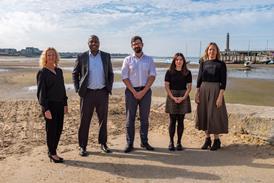















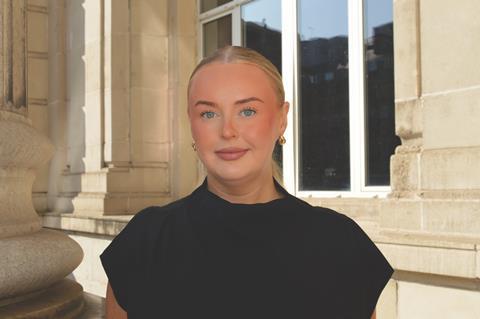
Who? Erin Sunderland, associate in the civil liberties team at Broudie Jackson Canter, Liverpool.
Why is she in the news? Represented Jacqueline Cowdall, 53, who was wrongly arrested following the Southport riots in 2024.
Thoughts on the case: ‘What stood out to me most was seeing how profoundly an arrest, detention and search can affect someone, particularly when they know they have done nothing wrong. Those powers may be exercised over a relatively short period, but the impact can last far beyond the hours spent in custody or the search itself.
‘My client had worked alongside Merseyside Police for more than 20 years and had previously trusted the police. Following this experience, that trust was fundamentally changed. This was not simply a case of being arrested, released and told that no further action would be taken. She was left dealing with the emotional impact of being treated as a suspect in a serious disorder with which she had absolutely no involvement.
‘What this case demonstrates is the importance of recognising the human consequences of police decision-making. The police have emphasised the scale and difficulty of the Southport investigation and the information available to the officers at the time. What has been far less visible is any acknowledgement of the impact the experience had on my client. She still wants an apology. In those circumstances, the absence of any meaningful acknowledgement is, in my view, shameful.’
Merseyside Police said the civil action was thoroughly examined by the force’s legal team and external counsel. ‘It was decided that in this case it was appropriate to negotiate a settlement before it reached court. Merseyside Police deny any wrongdoing and liability was denied throughout the course of the matter,’ the force added.
Dealing with the media: ‘Appearing on BBC North West Tonight was a completely new experience for me, so there were definitely some nerves, but I really enjoyed it. The main challenge was taking a factually and legally complex case and explaining it clearly without oversimplifying what had happened.’
Why become a lawyer? ‘I have always been drawn to human rights and to giving back through charity and community work, so civil liberties law feels like an extension of the values that matter most to me.’
Career high: ‘This case. Achieving a positive outcome for my client meant a great deal, and having the opportunity to speak publicly about the case made it even more special.’
Career low: ‘One of the hardest aspects of civil liberties work is meeting people after experiences that have fundamentally affected their lives, knowing that litigation cannot simply undo what happened.’