




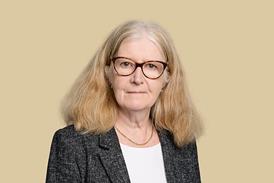















Who? Helen Boniface, counsel, Hogan Lovells Cadwalader, London.

Why is she in the news? Through pro bono and publicly funded work, the firm represented the Care Professional Organisation in the UK Covid-19 Inquiry. This week, the inquiry published its sixth report and recommendations following its investigation into the care sector.
Thoughts on the case: ‘We aimed to give a voice to individual care workers, allowing them to share their experience of working through the pandemic. As we started gathering evidence from CPO members, it soon became apparent how overlooked and abandoned they felt. As a health and safety lawyer, I was surprised by the daily risks they faced – working without essentials like PPE and formal guidance that was out of kilter with NHS advice and did not reflect the realities of the care worker role. We sought recognition for care workers – both retrospectively but, more importantly, to improve future pandemic response.
‘We were pleased that Baroness Hallett recognised where things went wrong – including the “flawed” guidance to the “unacceptable” PPE issues. Particularly important though is her recommendation of a register for social care professionals. This will enable the dissemination of information to the care workforce, increase understanding of this unique sector, and standardise professional training and development. Our client has already developed a voluntary register and is keen to work with the government to implement this recommendation.’
Health secretary Yvette Cooper told MPs: ‘We will provide a full response to the recommendations in due course, but I agree with the chair when she says that adult social care has, for too long, been undervalued and under-recognised. That has to end, and I hope we can work cross-party to support the prime minister’s vision for a National Care Service.’
Dealing with the media: ‘When we started this case, CPO founder Paul Featherstone told me that being a carer means being an advocate, fighting to access services and resources that the person under your care needs. We wanted to ensure that these same carers had someone advocating for them. Legally, there was an established path – review evidence, prepare submissions and ask questions of witnesses. With the media, though, it felt more difficult to attract attention – perhaps a small snapshot of how carers felt in their day-to-day lives.’
Why become a lawyer? ‘I studied earth sciences at university so law was not my intended path. However, by my final year I began to see how a legal career crosses into many different subject areas.’
Career high: ‘Seeing positive changes arise through our representations in terrorism and domestic abuse-related inquests and public inquiries.’








No comments yet