

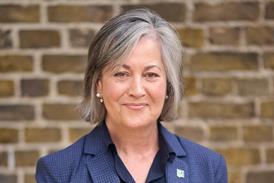



















Who? Lucy Traynor, senior associate at KP Law, London.

Why is she in the news? The firm, which represents more than 275 survivors of alleged abuse by former Harrods owner Mohamed Al Fayed, announced that the combined value of survivors’ compensation claims could reach £150m – significantly higher than the sum so far paid out or set aside.
Thoughts on the case: ‘The scale of the allegations concerning Mohamed Al Fayed, and the fact that we now represent more than 275 survivors, make this a particularly significant piece of litigation. It is also taking place against a complicated legal backdrop, with claims against various defendants and the ongoing issues surrounding the administration of the estate.
‘The case also brings many of the difficulties inherent in historic abuse litigation into sharp focus. The passage of time can create obvious evidential difficulties, while there are equally well understood reasons why survivors may take many years to disclose abuse or contemplate legal proceedings. The law has to engage properly with both realities. What is particularly interesting from a legal perspective is the interaction between the different routes to redress available to survivors and the issues that arise as those processes develop.’
A Harrods spokesperson said Harrods could not comment on KP Law’s compensation estimates ‘as they have yet to provide a significant volume of information required to progress claims’.
Dealing with the media: ‘The media interest was initially daunting, but this case has shown me the value of responsible reporting. Reporting can give the public a true understanding of the case, while also giving survivors information they did not previously have, help them recognise that their experience was not isolated and, in some cases, the confidence to seek advice.
‘Media engagement also gives us an opportunity to highlight the impact of the litigation on our clients and ensure that their experiences, and the issues affecting them, remain part of the wider public conversation.’
Why become a lawyer? ‘I was interested in law and liked the idea of a career that involved working with people and where the work itself could take you in very different directions.’
Career high: ‘The Court of Appeal judgment in Farley v Equiniti. The case raised important questions about the scope of data protection law and resulted in the reinstatement of our clients’ claims that had been struck out at first instance. With the case now heading to the Supreme Court, there is still an important chapter to come.’