
















Legal consultant, London
When I studied at the University of Kent, I took a clinical module in social justice. When I saw a job advertisement for a youth advocate at Just for Kids Law, I thought, ‘that’s me’.
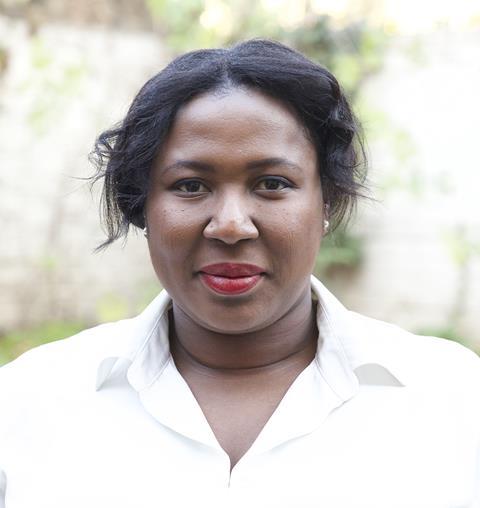
Just for Kids Law took a holistic approach to supporting children and young people who had been failed by other systems before entering the youth justice system. I realised I was interested in the journey of the child through different systems and the role youth justice lawyers can play when engaging with one of the most challenging systems a child can encounter [the criminal justice system]; and how you can work as a lawyer to try and secure a better outcome for any child – irrespective of what they have done.
That reality kept me at Just for Kids Law for almost five years. The children we supported were often young and had done something relatively minor, sometimes after having been excluded and disenfranchised by the education system.
I did my training contract there. I specialised as a youth justice lawyer but also worked as a policy officer. At the time, Just for Kids Law incorporated the Youth Justice Legal Centre. I dealt with queries that came through that service, which is vital for young people, their advocates, professionals, parents and carers.
The end of my time at Just for Kids Law coincided with Covid. It felt like the world had paused, but children were still being taken into police custody for minor offences. I took a sabbatical.
'The children we supported were often young and had done something relatively minor, sometimes after having been excluded and disenfranchised by the education system'
I then joined Article 39, a highly impactful charity that fights for children’s rights in state and privately run institutions in England. The model centred on advocates and supporting them. When I joined in 2022, we set up a children’s rights advice service, On Your Side, an advice line where children, young people, professionals, parents and carers can access legal information and guidance. The queries could be about anything, including mental health, community care, education, housing and youth justice.
I then joined CoramBAAF as a legal consultant. CoramBAAF is a membership organisation for professionals working across adoption, fostering and kinship care, and is very child-centred. I delved even further into family law to understand the journey of the child through the family court and social care.
My work is very varied. For example, we held a conference for advisers who sit on adoption and fostering panels. I co-delivered a workshop on case law around permanence, pinpointing and reminding practitioners of legal cases that can support their practice, or cases that changed the legal landscape. We created a space for providing information, facilitating discussion and seeking member input. We intervened in a Court of Appeal case about how much contact was needed in care proceedings prior to the child being adopted. The case was heard by the Family Division president. As interveners, we made written and oral submissions.
I also chair the Racial Justice Family Network, a collaborative network of social workers, legal professionals, researchers, and people with lived experience across the family justice system, which CoramBAAF is currently hosting. The network has adopted the Family Court Anti-Racist Practice Statement, which was developed by the Quality Circle and first adopted by Sussex Local Family Justice Board. Previously hosted by the Nuffield Family Justice Observatory, with a five-year workplan, the network wants to promote anti-racist practice in a way that is grounded in practice and law. A priority is to engage with all 44 local family justice boards and ask them to adopt the statement.
I was invited by former Family Division president Sir Andrew McFarlane to speak at the Family Justice Council’s annual conference in 2025. We are hoping to embark on research looking at the experiences and outcomes of racially minoritised children in the family court, understanding the factors that contribute to disparities and bias. We can then focus on interventions through the development of educational resources and tools. We want to remain evidence-informed, not just advocating for change without having a clear evidence base for what changes are needed and why. Naming and challenging racism can be difficult – we’re hoping to better understand what can be difficult to name.









No comments yet