
























Plans to remove a defendant’s right to elect a jury trial, while increasing magistrates’ sentencing powers, have sparked alarm. Volunteers are ‘unequipped to try complex, multi-day trials’
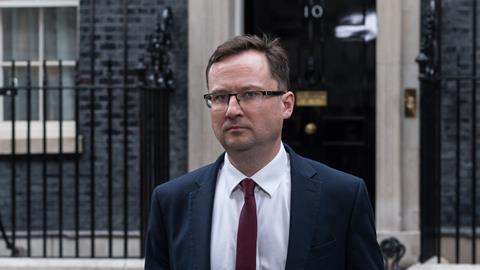
After his silence on jury trial reforms at the Labour party conference, lord chancellor Alex Norris (pictured) announced last weekend that he was scrapping one of the most controversial elements of the Courts and Tribunals Bill. A Crown Court Bench Division, in which judges alone would have heard cases likely to attract a prison sentence of up to three years, is off the agenda.
Norris declared that he remains committed to bringing down the backlog and delivering swifter justice, ‘but I have heard the strength of feeling on the proposals for increasing the number of judge-alone trials in the Crown court and have made the decision to change course’.
However, much to the legal profession’s alarm, other controversial elements of former lord chancellor David Lammy’s blueprint remain. Norris still intends to remove a defendant’s right to elect a jury trial for ‘either-way’ offences, such as theft and burglary. Magistrates will be allowed to hand down longer sentences.
The Criminal Bar Association estimates that stripping defendants of their right to elect, combined with the doubling of magistrates’ sentencing powers, will shift 25,000 cases a year away from the Crown court.
Those 25,000 cases are not minor, CBA chair Andrew Thomas said. ‘It includes serious and sensitive cases such as assaults, sexual assaults, child abuse and GBH. Our volunteer magistrates do an excellent job but they are completely unequipped to try complex, multi-day trials.’
Magistrates’ courts are already dealing with a backlog that hit a record 370,222 between March and June this year – up 11% on 2025.
Meanwhile, bar chair Kirsty Brimelow said the decision not to retain a defendant’s right to elect a jury trial risks exacerbating distrust in the justice system among minority communities.
Norris’s predecessor frequently had his own criminal justice race review quoted back to him – the review where Lammy said black, Asian and minority defendants did not trust that they would get a fair hearing from magistrates, so opted for a jury trial in the Crown court despite the risk of a tougher sentence.
Lawyers are also baffled that Norris is pressing ahead with plans for judges alone to potentially hear complex fraud and financial cases. Jonathan Fisher KC, who was commissioned by the Home Office to review disclosure and fraud offences, advised against this.
Fisher said in his report: ‘Public confidence matters. Trying fraud without a jury risks the perception of opacity or special treatment, particularly in high-profile economic cases of political interest. Jury trial keeps proceedings intelligible in open court to defendants, victims, the media and the public.’
Judge-only trials create practical hazards, Fisher warned: ‘Judges routinely see prejudicial material when ruling on disclosure, bad character, hearsay and public-interest immunity; the same judge then becomes the sole fact-finder to the criminal standard.’
Hammering the point home, Fisher said retaining jury trials for the most serious offences but not fraud ‘would devalue the importance of fraudulent misconduct and reinforce the historic ambivalence towards fraud as a civil matter rather than a serious public wrong. This would be the wrong message for parliament to send, in circumstances where the case for fundamental change in the manner of trial is not made out’.
The government says letting judges alone hear technical and lengthy fraud cases will free jurors from the personal and financial burdens created by complex, months-long trials.
However His Honour Geoffrey Rivlin KC, former resident judge at Southwark Crown Court, told the House of Commons justice select committee that many non-fraud criminal trials, such as multi-handed terrorist, murder, gang grooming and rape trials, were as, if not more, serious, complex and potentially burdensome to a jury than fraud trials. Between 2019 and 2024, most cases at Southwark, fraud or otherwise, lasted less than three months.
Louise Hodges, a criminal litigation partner at Kingsley Napley, says that far from cutting the backlog, judge-only trials for fraud cases will ‘introduce more complexity and delays with arguments about what exactly is a “technical and lengthy” fraud and financial offence and how to ensure that this provision will be applied consistently and fairly’.
The Courts and Tribunals Bill returns to the House of Commons next week, where the government will bring forward an amendment to remove the provisions setting up a Crown Court Bench Division. ‘This reflects our belief that parliamentary scrutiny should have a meaningful impact on legislation. Where concerns are raised, it is right that government listens and responds,’ the Ministry of Justice told the justice committee this week.













No comments yet