























Medical negligence lawyers say they stand ready to help address the wider issues raised in the latest devastating report on maternity care failings.
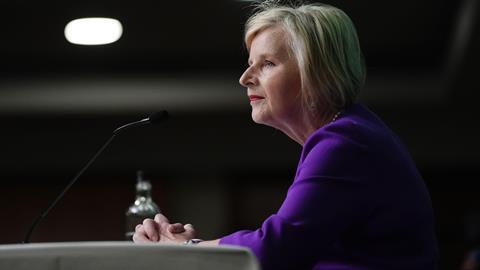
A report by senior midwife Donna Ockenden following the largest maternity review in NHS history found that more than 500 mothers and babies suffered potentially avoidable harm or died from ‘systemic failings’ at Nottingham University Hospitals NHS Trust.
The review examined cases between 2012 and 2025 and concluded that different care might have altered the outcome for 260 babies who died or were harmed.
Ockenden’s report referred to what she called the ‘startling’ statistic that clinical negligence is costing the NHS almost the same in legal compensation as it spends on the delivery of maternity care itself. But she made no criticism of lawyers or the costs that are incurred through claims, instead focusing on the care failings that underpin them.
‘Whilst these figures are substantial, behind them is the incalculable effects - financial, physical, emotional and psychological – on the families themselves, with many careers and relationships shattered by what they experienced at NUH,’ Ockenden said.
Clinical negligence lawyers have said the report comes as little surprise to those who act on behalf of bereaved families or parents bringing up severely disabled children caused by maternity care mistakes.
Read more
Matthew Maxwell-Scott, chief executive of the claimant-facing Consumer Legal Association, said that the legal sector should be seen as an ally for overhauling maternity care rather than always spoken about as a drain on resources.
‘Medical negligence experts at our member firms in the CLA and our wider industry see the heartbreaking aftermath of failures in maternity care every day,’ he said. ‘Our industry has the data and the cases which can help the government and the NHS make the urgent improvements needed.
‘They help the families get the answers they want and need when things have gone wrong. It’s vital that those answers, and the learnings from failures in care, are then used to ensure future harm is avoided.’
Medical negligence firm Stewarts said the review had raised serious concerns about how incidents are recorded and escalated. Internal categorisation systems appeared to avoid classifying events as serious incidents which prevented a proper investigation from taking place.
Partner Guy Pomphrey added: ‘Where organisations adopt internal systems that dilute or delay escalation, the effect is to obscure patient harm and to limit opportunities for learning. That undermines both patient safety and public confidence.
‘For families affected by failures in maternity care, accountability and transparency are essential. This report must act as a catalyst for change, ensuring safety systems are applied consistently and in the interests of patients, not institutions.’
The NHS in England is likely to come under further scrutiny next week when Baroness Amos publishes a final report on national maternity and neonatal care.
This article is now closed for comment.





2 Readers' comments