























US sanctions on the International Criminal Court could take away the only hope for justice that victims of genocide, war crimes, crimes against humanity and aggression have, global law leaders have warned – as a landmark report published this week urges the UK to do better responding to atrocity crimes.
Sanctions on the court were announced by US secretary of state Marco Rubio last Friday. ‘We will ban transactions with this rogue court, cutting off their resources and crippling its ability to operate,’ Rubio said.
The ICC, to which the US has never been party, investigates and tries individuals charged with genocide, war crimes, crimes against humanity and the crime of aggression. The UK is a signatory of the Rome Statute, which governs the ICC.
Outgoing Law Society president Mark Evans said: ‘By sanctioning the court itself, following previous action against nine of the ICC’s 18 judges and other court officials, the United States is mounting a serious attack on the independence of the international justice system. The ICC was established to hold to account those accused of the world’s most serious crimes. We urge the US administration to lift these sanctions and protect the independence of the legal profession.’
The International Bar Association urged ICC state parties - which includes the UK - to ‘push back’ on the US's action and support the ICC. IBA executive director Mark Ellis said: 'For many victims of genocide, war crimes, crimes against humanity and aggression, the ICC is the only hope for justice... This is a dark day for international justice and global rule of law.'
Chancery Lane and the international bar issued their warnings on the same day that a specialist group on atrocity crimes chaired by prominent human rights barrister Baroness Kennedy (Helena Kennedy KC) published an assessment of the UK’s ability to identify, prevent and respond to international crimes such as genocide, war crimes, crimes against humanity and aggression.
The Standing Group on Atrocity's review found the UK’s approach to atrocity prevention is fragmented and reactive. Recommendations include a dedicated cross-government atrocity prevention strategy and stronger accountability measures when responding to atrocity crimes.
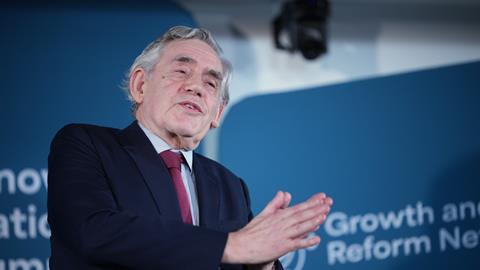
The report was unveiled at an event in Inner Temple yesterday. Former prime minister Gordon Brown (pictured) told the event: ‘Sympathy is not prevention. Condemnation is not policy. The question before the UK and other democratic states is simple and grave. Will we continue to respond to atrocity crimes only after they have shocked our conscience or will we build a serious system to build them, predict them and respond to them lawfully, consistently and in time?’



No comments yet