




















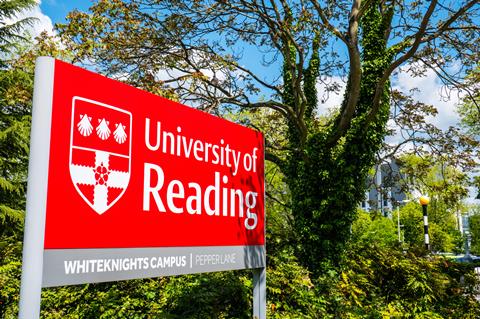
A law student has been convicted of making a hoax bomb threat to Reading University, which led to buildings being evacuated during induction week.
Muzammil Ayyaz, 30, who was ‘angry and frustrated’ after being expelled by the university, made 700 calls over the summer of 2023, making threats to staff, prosecutors said. Ayyaz then called the university twice, on 15 September and 19 September 2023, from an anonymous number using a robotic voice to claim that a bomb had been placed at the university, Reading Crown Court heard.
Benjamin Waller, prosecuting, told jurors in a closing speech: ‘He deliberately called during an induction week, he knew the building would be busy and did it for maximal effect. Police were called, buildings evacuated, matters were taken just as seriously as Mr Ayyaz has intended.
‘The fact is, things really are as simple as they seem,’ Waller said. ‘Sometimes a man gets angry and frustrated by being expelled by a university. Instead of processing that decision and dealing with it, he begins by calling in vile threats of rape, torture, murder, against people he perceives had wronged him.
‘He becomes more extreme, starts calling in bomb threats in the hope this may finally cause some tangible upset to the people and institution he feels so wronged by. It is about a man who feels wronged, lashing out in revenge and wants to cause the people he blames some discomfort, some fear.
‘Of course, Mr Ayyaz says they are people who are out to get him, who are conspiring against him,’ Waller added. ‘Mr Ayyaz denies he was threatening or abusive and insists he was in distress and looking for assistance to get himself re-instated at university.’
Ayyaz represented himself during the trial - which had initially been listed for four days - after sacking two separate legal teams, with the second becoming professionally embarrassed on the first day of the hearing. In the closing speech for his own defence, Ayyaz told jurors: ‘I have no previous convictions, I definitely say to you that I have not committed the offences I am indicted with.’
After one hour and 13 minutes of deliberation, the jury convicted Ayyaz of two counts of communicating false information. The case was listed for sentence on 14 April.
The court heard Ayyaz had previously launched judicial review proceedings against the University of Reading, which had been settled, allowing him to return to studies, before he was finally expelled.