



















A measure that would enable ministers to escape parliamentary scrunity when adding to the list of offences to be tried without a jury was defended by the government yesterday.
During line-by-line scrutiny of the Courts and Tribunals Bill in the House of Lords, Lord Keen of Elie (Richard Keen KC) condemned the proposed approval of 'Henry VIII powers'. Allowing the secretary of state to add any offences to the non-jury list 'is a significant power that requires more scrutiny than the affirmative procedure for secondary legislation would provide for,' he said, noting that the measure had been referred to as 'a Joseph Stalin clause'.
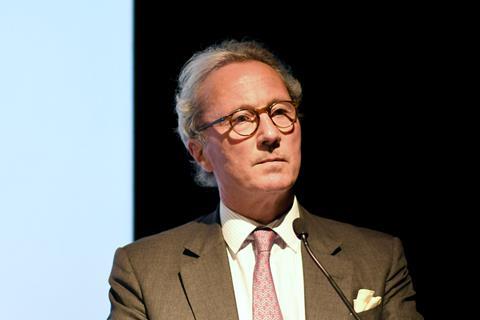
Lords justice minister Lord Lemos (social policy researcher Gerard Lemos) said the purpose of this provision is 'to allow the system to respond flexibly as fraud and financial offending evolve over time. Technology continues to evolve rapidly, including developments in artificial intelligence,' he said.
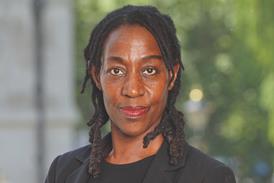
Proposed amendments limiting the power were backed by Baroness Chakrabarti (rights campaigner Shami Chakrabarti), who criticised the 'technological developments' argument. 'With respect, those offences would likely be created, I hope, by new primary legislation,' she said. 'That legislation could deal with the appropriate mode of trial. This is a completely unacceptable power.'
Complimenting the minister on his ability 'to advance an unstatable case with at least a scintilla of conviction', Keen said: 'We cannot accept the explanation advanced.' On the basis that the issue will be brought up at the bill's report stage, he withdrew his amendment.
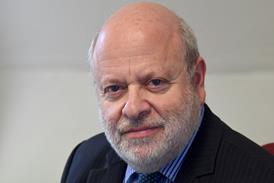
Meanwhile Lord Hailsham (barrister and former MP Douglas Hogg) said that magistrates' courts would be overwhelmed by their new sentencing powers. He moved an amendment to make the new powers subject to the recruitment of sufficient magistrates. 'I have grave doubts that there will be,' he said.
Lord Lemos responded that extending magistrates' sentencing powers would free Crown court capacity. 'Reducing delay is not simply a matter of efficiency,' he said. 'Timeliness is an essential ingredient of fairness and justice, and freeing Crown court capacity is critical if victims are to receive justice within a reasonable timeframe.'





No comments yet