


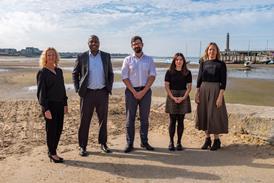





















Across the UK, increasing numbers of people are navigating the legal system without representation and facing court on their own.

Years of pressure on legal aid provision, combined with rising demand for advice services, have left many individuals facing some of the most significant moments of their lives without access to professional support.
At Leeds Law School, we have seen first-hand the difference that community partnerships can make in helping bridge the social justice gap. One of our most significant collaborations is with Support Through Court, a national charity that helps people who are representing themselves in court proceedings.
While the charity does not provide legal advice, it offers procedural and emotional support, helping individuals understand court processes, complete forms, prepare documents and attend hearings.
Since 2022, our students have helped clients on over 15,000 occasions through this partnership. For many people, that support can be transformative - whether it is helping someone understand paperwork, what to expect in court or simply providing reassurance at a daunting moment.
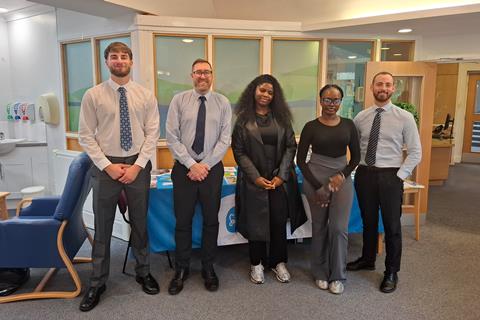
This is what community power looks like in practice. It is not a slogan or a policy initiative. It is organisations working together to meet a need that no single institution can address on its own. It’s bringing to life local collaboration that creates benefits for everyone involved - local firms gain access to talented students and future recruits, students gain invaluable practical experience and communities benefit from greater access to support and expertise.
Alongside this work, our law clinic provides free legal advice to members of the public in areas including family and civil law. The clinic and Support Through Court often operate as complementary services. A client may come to the law clinic needing legal advice about the merits of their case before receiving ongoing procedural support through Support Through Court. Together, these services provide a more joined-up pathway for individuals who might otherwise struggle to access help.
Some of our strongest relationships are with former students who have gone on to build successful careers in Leeds and now want to give something back. That's a powerful example of how law schools and universities can contribute to both social impact and economic growth within a city.
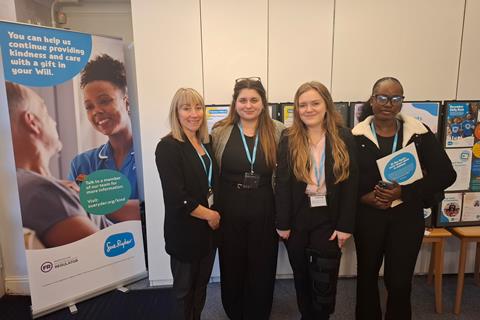
As legal academics and educators, we have a responsibility not only to prepare students for employment, but also to help them understand the social context in which law operates. Experiential learning opportunities enable students to engage directly with the realities facing individuals and families in their local communities.
Universities can sometimes feel, or be perceived as being, removed from the challenges people face in their daily lives. Working directly with members of the public helps bridge that gap. Students encounter the human impact of legal processes and gain a deeper understanding of issues such as inequality, vulnerability and social exclusion. Whether they ultimately pursue careers in legal practice or elsewhere, these experiences help shape graduates who understand the value of public service and civic responsibility.
These long-term partnerships matter, they create a sustainable cycle of talent development, business growth, community impact and regional investment. Which is why for many years we have worked alongside local law firms, charities, community organisations and public bodies to deliver outreach projects and legal support initiatives.
Many of these relationships have developed organically through alumni who have progressed into practice and want to remain connected to the next generation of legal professionals.
These partnerships also extend beyond traditional legal advice. Our students have delivered public legal education projects in schools and community settings, worked with organisations supporting vulnerable groups and contributed to initiatives focused on law reform and social justice; and what makes them effective is not simply the services they provide. It is the trust they build. Strong communities are created through sustained relationships, shared objectives and a collective commitment to improving outcomes for local people.
As those responsible for developing the next generation of legal minds, our law schools and universities should increasingly consider their roles as anchor institutions within their communities. There is a real opportunity to think differently about how higher education contributes to social impact. Universities possess significant resources, expertise and influence and when those assets are deployed collaboratively, they can strengthen local networks and create meaningful opportunities for both students and communities.
However, we cannot solve this problem alone. Nor should we be expected to replace a properly funded legal aid system. What we can do is make sure we are doing all we can to support local communities and help ensure that access to justice does not become dependent on someone's income, confidence or ability to navigate complex systems.
While community power may not solve every challenge facing the justice system, it can help ensure that fewer people face those challenges alone.
Dr Rachel Dunn is head of subject (postgraduate) at Leeds Law School, Leeds Beckett University









1 Reader's comment