
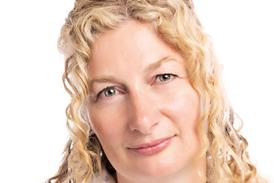

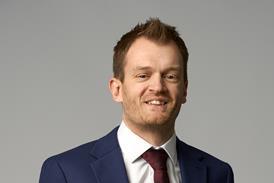











Who? Alice Goodenough, partner at Goodenough Ring Solicitors, London.
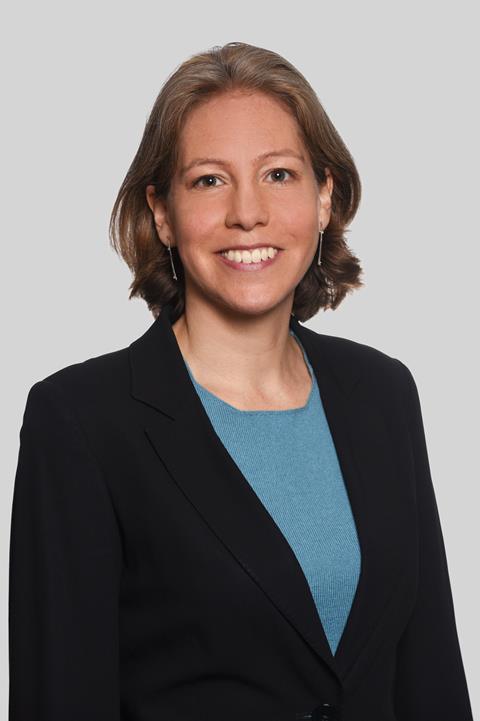
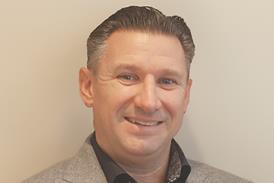
Why is she in the news? Represents campaigner Peter Barclay, chair of the Gatwick Area Conservation Campaign, whose bid to challenge the expansion of Gatwick Airport was dismissed by the High Court this week.
Thoughts on the case: ‘This case was brought in the context of an outdated Airports National Policy Statement (NPS) and the current inability for aviation to do its part to ensure the UK reaches its climate change targets. The only NPS at the time of the decision was one that decided a second runway at Gatwick should not be pursued. That policy position was compounded by serious questions raised by GACC about the economic case for expansion. The GACC chairman brought the judicial review claim. The grounds of claim reflected this, but in our client’s view were not adequately grappled with in the judgment of the High Court. Under new expedited procedures for nationally significant infrastructure projects, we have seven days from the decision to appeal to the Court of Appeal. If permission is granted, a hearing should take place within four months from the date of the appellant’s notice.’
A DfT spokesperson said: ‘We welcome the decision to uphold our approval of expansion at Gatwick Airport. This is a project that balances our environmental and climate commitments with economic benefits.’
A London Gatwick spokesperson said: ‘We are pleased with the High Court ruling to uphold the government’s careful decision to grant planning approval for our Northern Runway Project. Our exciting plans will deliver significant business, tourism and trade benefits for the UK, including 14,000 new jobs and a £1bn boost to the economy every year. This is a victory for common sense.’
Dealing with the media: ‘There has been significant interest in this case. The focus of that interest should be on the client, Mr Barclay, and his campaign concerns, namely the national climate change implications and the impact on local communities, including noise suffered by residents and congestion on the overburdened public transport network and local roads.’
Why become a lawyer? ‘I have always had a strong sense of justice, particularly when the subject of that injustice is unable to access accountability and redress. This is inevitably true in environmental cases.’
Career high: ‘There have been a few. Obtaining a late-night injunction to stop the clandestine felling of over 100 trees by Plymouth City Council; helping Somaliland frankincense harvesters prevent resin produced using alleged forced labour from being imported into the US by a multinational essential oils company; and organising a conference on the prevention of torture with Egyptian and Tunisian lawyers, following the Arab Spring and the backsliding on democratic advances made at that time.’









No comments yet