


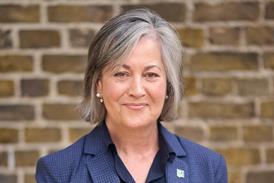

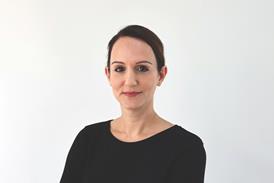
















Who? Grace Houghton, associate at Mishcon de Reya, London.
Why is she in the news? Represents the grandchildren of Ruth Ellis, the last woman to be hanged in the UK. Earlier this month, the King granted Ellis a posthumous conditional pardon.
Thoughts on the case: ‘Ruth Ellis was a young single mother subjected to years of physical, emotional and financial abuse at the hands of David Blakely. The abuse culminated in a miscarriage, caused by a blow to the stomach, just days before the shooting. None of that was properly considered at trial, and the jury was directed by the judge to disregard it. When the home secretary had the chance to spare her life, prejudice and political calculation appear to have prevailed over justice.
‘The granting of a conditional pardon is a historic moment. It formally acknowledges what the evidence always made clear: Ruth should never have been executed. By modern legal standards, she would at most have been convicted of manslaughter. The defences of diminished responsibility and loss of control – neither of which was available to her at trial – would almost certainly have changed the outcome.
‘But this case is larger than one woman’s story. Women who have suffered abuse and reached a breaking point continue to be failed by the justice system. This pardon sends a clear message that the government is committed to improving the system. For Ruth’s grandchildren, who have carried the shadow of her execution throughout their lives, it brings something special: the justice that was denied to their grandmother 70 years ago. It was a privilege to stand by them.’
Dealing with the media: ‘I had some practice with the media when we submitted the application for a conditional pardon last October, and I worked to improve my media skills since then. It can be difficult to be confronted (live on air!) with more critical takes, particularly when you feel so passionately about the injustice inherent in it. The overwhelming response from the media has been positive. I have found that speaking plainly and staying close to the evidence works well.’
Why become a lawyer? ‘I wanted to become a trusted adviser to clients – someone they could rely on during their most stressful and vulnerable moments.’
Career high: ‘Receiving the call from the deputy prime minister’s office to confirm that the pardon had been granted – and then ringing our clients right after. Nothing quite prepares you for a moment like that. It was made all the more extraordinary by attending PMQs the following day to watch the announcement. It was a day I will never forget.’









No comments yet