



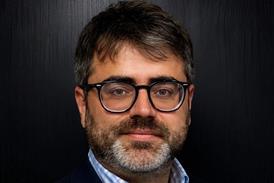













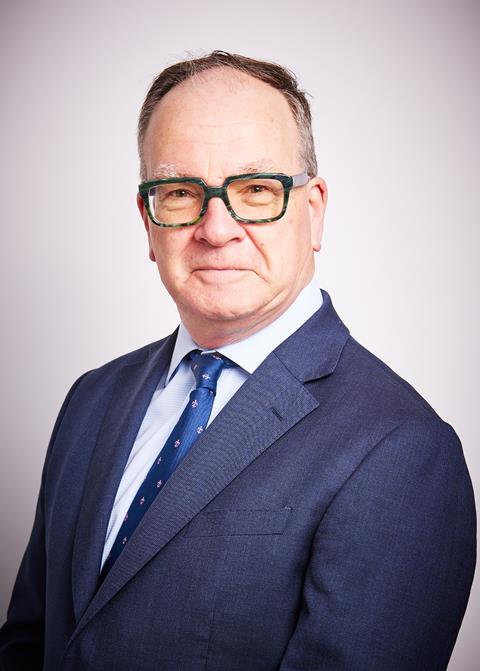
Who? Andrew Marshall, partner, Edmonds Marshall McMahon, London.
Why is he in the news? The firm brought a private prosecution against Ariana Rose, 40, on behalf of a property manager who rented Rose a flat after Rose gave her false information and fake documents. Rose proceeded to run up £43,000 worth of arrears. In June, Rose pleaded guilty at Southwark Crown Court to four counts of fraud, three counts of using a false instrument, and perverting the course of justice. Last December, while on bail in the private prosecution, Rose pleaded guilty to five counts of theft from a dwelling in separate Crown Prosecution Service proceedings at Warwick Crown Court. Those proceedings were transferred to Southwark and Rose was sentenced for the private and public prosecutions at the same time. She was sentenced to five years in prison and ordered to pay nearly £67,000 in compensation.
Thoughts on the case: ‘By the time she encountered our client, Rose had been consistently defrauding people for many years and largely getting away with it. The crimes were spread out over time and victims (who didn’t know each other) got no traction with the police. She would undoubtedly have carried on, as demonstrated by the fact that she continued to offend while on bail in this private prosecution. Rose relied on a combination of superficial kindness, obfuscation, threats and playing the victim. The true victims were always unsure where they stood and left doubting themselves. It took a determined person to join the dots and make a stand. Our client was highly motivated (but it all took a toll) and we were able to put a compelling case together, tracing witnesses as far as New Zealand, and using court applications to obtain Rose’s extremely revealing bank statements.’
Dealing with the media: ‘We anticipated interest due to the number of serious allegations and the length of time they spanned, but the level of czverage has been extraordinary. The fact that such a prolific offender had to be brought to justice by way of a private prosecution has caught the attention of the press. It serves as a stark reminder that fraud is both prevalent and under-investigated, and that private prosecutions have a valuable part to play in achieving justice – stepping in where the public authorities decline to act.’
Why become a lawyer? ‘I was 14 and asked: “What should I do?” A clever teacher, Edward Treacy, answered “You are an argumentative s*d, Marshall – go and be a barrister!” So I did. Roll on about 33 years, and my two founding partners and I said to each other: “Why don’t we set up a solicitors’ firm?” We did.’









1 Reader's comment