

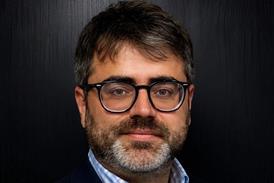










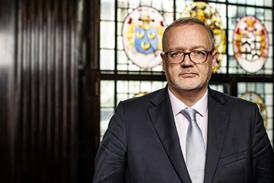




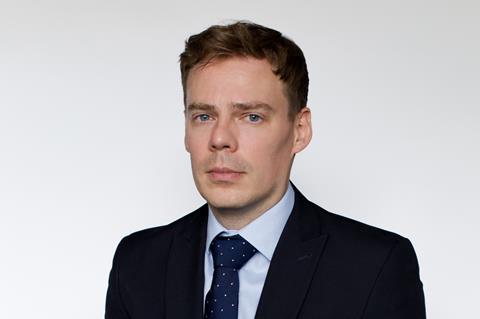
Who? Gerard Airey, consultant solicitor, Kilgannon & Partners, London.
Why is he in the news? He successfully represented Sanju Pal in the Employment Appeal Tribunal in a case against Accenture following Pal’s dismissal under the company’s ‘up or elsewhere’ performance model.
Thoughts on the case: ‘The focus of attention has largely been on Sanju’s fight to show that her endometriosis is a disability. In our view, and that of the appeal tribunal, the original panel didn’t grapple with the significant medical evidence. It was also confirmed that treatment related to a condition, such as operations, should generally be assessed as part of the condition. This is important for the wider public, employers and tribunals to understand, as adjustments will need to be made to account for this. The other aspect that has gained more recent traction is the lawfulness of the “up or elsewhere” progression-based model used in the consultancy sector. This means showing readiness for promotion in a certain timescale or being dismissed. This always felt off to me, as it shouldn’t be open to an employer to dismiss because they think an employee isn’t ready or capable of doing a job that isn’t their actual job. The tribunal indicated that an employer would need to show that the employee had been doing the work at the next level up to assess capability and fairly dismiss. It is odd that this hasn’t been challenged before, but the appeal judge noted there wasn’t actually a lot of recent authority on capability dismissals, so perhaps this will be an area that will now be the subject of more focus.’
Accenture said: ‘As this is an ongoing legal matter, we cannot comment further at this time.’
Dealing with the media: ‘I have tried to help the press understand what the judgment is actually saying without being too technical, which can be difficult, while also getting the personal side of the story across. Endometriosis is a chronic condition and the hope is that with raised awareness, employers will take note of this case and make sure they are making adjustments for women.’
Why become a lawyer? ‘I thought law would be an interesting degree that would give me options. In my final year, I worked on cases for the public in Northumbria University’s Student Law Office. Once I started applying what I’d been taught to real-life cases, I was hooked.’
Career high: ‘I try not to get too high or too low as some things go your way, others don’t. I am proud of my appeal work, and I have often revived cases that didn’t actually pass the sift at appeal to go on and win (such as this case).









1 Reader's comment