





















Partner at Cosmetic Surgery Solicitors, Manchester
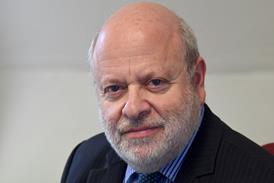
Michael Saul heads TJL Solicitors’ cosmetic surgery negligence department, the first of its kind dedicated to helping victims of negligent cosmetic surgery. ‘We started to hear of a number of cases arising from cosmetic surgery and found the sector was inadequately regulated,’ he says.
Michael has specialised in personal injury work for over two decades. After studying law at Newcastle University and completing his LPC at the College of Law in York, he trained at a defendant personal injury firm. Following stints in defendant insurance work and commercial litigation, he joined TJL Solicitors in 2002 and became an equity partner in 2011.
His father was a lawyer but never pushed him to follow suit. ‘He was a prosecuting solicitor at the Crown Prosecution Service, and then he became a coroner. He was always a role model to me. I saw how hard he worked and the satisfaction he got from his job.’ Michael says his father enjoyed courtroom advocacy while at the CPS. ‘That was a big factor in him becoming a coroner, to return to the courtroom, albeit in a different capacity. He spoke about that a lot.’
At school, Michael preferred subjects such as English and history. ‘I enjoyed forming arguments based on the materials or facts at hand. I thought that would be well suited to legal practice.’
Michael likes the ‘David v Goliath aspect’ of helping individuals take on companies. ‘In the aesthetics industry, patients’ vulnerabilities are routinely exploited by cynical providers. It is very rewarding to get recompense for clients.’
He has noticed a rise in the popularity of certain cosmetic surgery procedures ‘as social media influencers and celebrities promote ever-changing viral beauty standards’. Filtered photos and videos have become standard, leading to ‘unrealistic ideals’ that cannot be achieved through cosmetic surgery. ‘There is a disconnect between expectations and outcome.’
Michael believes the aesthetics industry splits into two camps. The first comprises highly professional surgeons practising privately with a high standard of care. The second comprises ‘commercially oriented clinics who are operating a conveyor-belt approach and often do not retain the best surgeons. It is profit before patient, and the standards of care are sometimes shockingly poor’.
In 2016, the Royal College of Surgeons issued guidance on professional standards for all surgeons who perform cosmetic surgery, underpinning a new cosmetic surgery certification scheme.
'We were up against the might of the entire medical defence industry… It was extremely hard. There was a lot of pressure. It is the most challenging case I’ve ever done'
Michael would like to see tougher enforcement of the regulation that surgeons must be on the General Medical Council’s specialist medical register before carrying out invasive cosmetic surgery procedures. He would also like to see greater regulation of insurance.
Asked about career highlights, he cites a landmark legal action against doctors and clinics that provided Isolagen, a facial cosmetic treatment.
The treatment was marketed as a natural alternative to bovine collagen and botox. However, Michael says the unique selling point – that the treatment used the patient’s own skin cells – was materially false, as the patient’s cells were cultivated in animal serum and contained bovine material. ‘It was the first reported case in which doctors were held liable for the contents of manufacturers’ literature because they distributed the product literature to patients without a disclaimer.’
Michael’s clients won at first instance and at the Court of Appeal. The case ran for seven years. ‘We were up against the might of the entire medical defence industry… It was extremely hard and there were difficult moments. We were working on a no win, no fee basis. There was a lot of pressure. It is the most challenging case I’ve ever done.’
What lessons did he take from that case? ‘To have the courage of your convictions. I always believed that it was a strong case. You then have many people shouting at you very loudly that the case is absolutely baseless. It’s hopeless. You’re wasting a lot of time and money. It gives you courage in your convictions and the determination to see cases through no matter how robustly they are defended and challenged.’









No comments yet