
















The issue of lawyers attempting to silence complainants of sexual misconduct has returned to the agenda in the fallout of the Russell Brand rape convictions and allegations about David Walliams.
It emerged following the conviction and subsequent sentencing of Brand that he had secured an injunction in 2015 against an unrepresented woman who had accused him of assaulting her. According to documents published by lawyer and campaigner Dan Neidle, the woman was made subject to the lifelong injunction by the High Court without any substantive trial. She was also ordered to pay £50,000 to cover Brand’s costs following a summary judgment by Mr Justice Jay.
The injunction prevented the woman from disclosing ‘any information’ about the alleged assault to anyone except her legal advisers or medical professionals. The order, which was drafted by lawyers representing Brand and his then partner Jemima Goldsmith, did not allow the woman to tell the police about her allegations.
Neidle said the lawyers involved have ‘serious questions’ to answer about the nature of the injunction and how it was enforced against a woman who was acting as a litigant in person. 'How could lawyers justify asking a court to prohibit speech that couldn’t conceivably constitute harassment – including private conversations with friends and family, and reports to the police?’ said Neidle.
‘There are also questions for the judiciary: how could Mr Justice Jay grant an order of such breadth against an unrepresented defendant, without a trial, and without determining whether her allegations were true?’
Goldsmith has said she felt threatened as the woman had targeted her and her family. The harassment injunction, she added, following, was upheld by the High Court and Court of Appeal on several occasions.
Read more
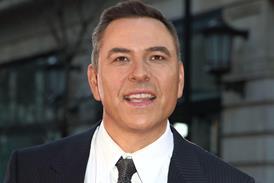
Meanwhile, following a lengthy legal case, the Guardian yesterday named author and comedian Walliams in connection with a series of allegations of sexual misconduct. Walliams denies all the allegations.
The report stated that Jenny Afia, a partner with defamation firm Schillings, had written to a woman then aged 19 who had talked with friends about an encounter with Walliams.
The letter stated: ‘You are at a significant risk of committing a serious civil offence should you disclose, to the press or any other third party, private information or purported private information concerning our client.’
A spokesperson for Schillings said it had been instructed to write the letter as it had understood that the woman was going to ‘sell her story’, which Walliams believed was ‘an untruthful account’.
The coverage has prompted fresh discussions about the ethics and enforceability of non-disclosure agreements drafted by lawyers to prevent individuals from reporting wrongdoing, and so-called SLAPPS (strategic litigation against public participation) taken out by wealthy individuals warning of legal consequences for those who might seek to speak up.
Zelda Perkins, founder of campaign group Can’t Buy My Silence and the first woman to publicly break an NDA with film producer Harvey Weinstein, told the News Agents podcast it had been ‘nigh on impossible to speak up about people in power without there being terrible repercussions’.
She said the law changes to restrict the unethical use of NDAs were making a difference but there was still scope for tools of privacy to be abuse. ‘If you have witnessed or suffered a criminal act, no confidentiality clause can keep you quiet,’ said Perkins. ‘That is hugely important and when you put that together with the Employment Rights Act which is going to stop non-disclosure agreements around harassment and discrimination, then you really are beginning to break this environment of silence.
‘SLAPP orders are the next thing. They really are the evil cousin of non-disclosure agreements. There needs to be more light shone on that because that is where people will pivot to who have got money.’
Julian Darrall, partner in media, tech and data disputes with law firm Bristows, said it was striking that the Schillings letter reportedly written to a woman making allegations against Walliams included a time pressure to provide a written undertaking and intimidatory language.
Writing on Linkedin, Darrall added: ‘While this letter was apparently written in 2016 - some five years before the discussion around SLAPP-like behaviour really kicked off - it is deeply concerning and could clearly serve to inform the debate which is very much ongoing today both within the news publishing industry and in parliament.’