





















A fare dodger is attempting to use a Mazur defence to argue that some of the charges against him should be dismissed on the basis a non-lawyer had conducted the litigation.
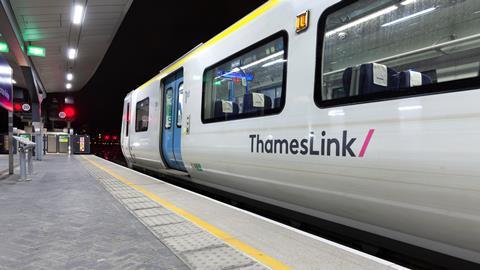
Charles Brohiri, 28, previously of Hatfield, is reportedly alleged to have been caught without a valid ticket 180 times over the past two years. At a hearing before Westminster magistrates’ court on Tuesday, Brohiri’s barrister contested 36 of the fare evasion charges brought by Govia Thameslink Railway (GTR), the Telegraph reports.
Eleanor Curzon of 23ES, for Brohiri, argued those prosecutions had broken the Legal Services Act, in light of the ruling in the widely-discussed High Court case of Mazur. In Mr Justice Sheldon’s ruling, handed down in September, he said the position in the Legal Services Act was that litigation could only be conducted by authorised people, and not by unauthorised people who were under supervision. This appeared to contradict advice and guidance given to firms in recent years and also called into question the business model developed by many litigation firms whose business models have relied heavily on unauthorised legal executives and paralegals.
In Brohiri’s case, GTR had admitted using a lay prosecutor to bring some of its cases against the defendant. Curzon told the court: ‘We would say that what the lay prosecutor has done, in doing this, without being authorised, is to be in breach under section 14 of the Legal Services Act 2007 such that they have, in fact, committed a criminal act by doing so.’
For GTR, Peter Ratliff of 6KBW argued a lay prosecutor can work on behalf of a qualified prosecutor under the Criminal Procedure Rules, Rule 46. He added that there had not been any ‘possible prejudice or unfairness’ identified by the defendant in the case.
Brohiri’s matter was adjourned until January and he was bailed with conditions not to enter any GTR property - including its trains.
This article is now closed for comment.







41 Readers' comments