























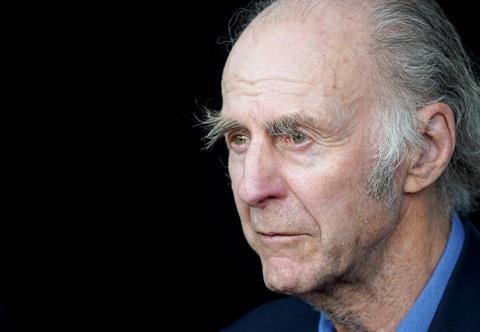
The tragic case of expeditioner Sir Ranulph Fiennes should raise awareness among the public about the realities and limits of lasting power of attorney. Lawyers dealing with Court of Protection work say the issues that have arisen in the ongoing story around Fiennes’ care are similar to those which crop up regularly in practice.
It is being alleged by some members of Fiennes’ family that he has been hidden away from them and that he has been placed in care homes under assumed names. Fiennes’ wife has lasting power of attorney but has not spoken publicly, while police are reported to be satisfied that he is in an appropriate setting with suitable care.
The 82-year-old, who was the first person to visit both the North Pole and South Pole by surface means, has not been seen in public for almost two years and has been diagnosed with Parkinson’s disease.
Read more
Spencer Gardner, legal director with national firm Blake Morgan, wrote in a blog post that the reports raise important questions about mental capacity, liberty, safeguarding and the responsibilities of attorneys.
In particular, he said, it had highlighted a common misconception that an attorney can do whatever they think best, when in reality they are subject to specific legal duties to act only in the donor’s best interests, consider their past and present wishes, avoid conflicts of interest, keep appropriate records and follow the principles of the Mental Capacity Act 2005.
‘The publicity surrounding the reported circumstances of Sir Ranulph Fiennes serves as a reminder that safeguarding vulnerable adults requires careful adherence to legal safeguards,’ added Gardner.
‘For families, it demonstrates the importance of understanding both the powers and limitations of lasting powers of attorney. For care providers, it highlights the need to ensure that any deprivation of liberty is properly authorised and reviewed.
‘For professionals working in the Court of Protection field, it reinforces the continuing importance of transparency, accountability and independent oversight whenever significant restrictions are imposed on a vulnerable person’s life.’
Aimee Bowles, private client executive with south east firm SE Solicitors, said the coverage highlighted that a lasting power of attorney was only as effective as the people appointed to act under it. She said families should consider whether more than one attorney should be appointed, as well as have early conversations about care, finances and personal values.
‘Having multiple attorneys can provide additional support, allow decisions to be made jointly where appropriate and reduce the burden on a single individual,’ wrote Bowes in a blog post.
‘A lasting power of attorney is about more than preparing a legal document. It is about ensuring that, if you are ever unable to make decisions yourself, those decisions are made by people you know, trust and have personally chosen.’





3 Readers' comments