
















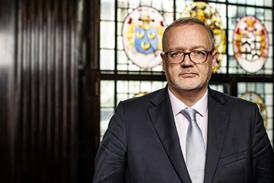




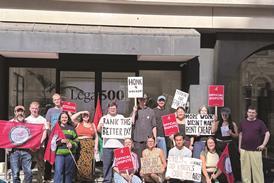
Contempt proceedings over a KC’s closing speech in the Crown court trial of activists accused of criminal damage at a plant owned by an Israeli defence technology company would have a 'chilling effect' on defenders, a human rights set has said. Garden Court Chambers was responding to the revelation that Court of Appeal judges are considering proceedings against its former head of chambers, Rajiv Menon KC.
Menon is accused of misleading the jury and ignoring the judge’s directions during his closing speech in the January trial of six activists who broke into the Elbit Systems factory near Bristol, causing an estimated £1 million of damage. None of the defendants was convicted. Following a retrial however a jury found four of the activists, including Menon's client Charlotte Head, guilty of criminal damage.
The convictions allowed the lifting of reporting restrictions about the earlier trial.
In a statement, Garden Court said: 'Not only is this the first time in English legal history that a barrister is being prosecuted for contempt in respect of a closing speech at a criminal trial, but the procedure being used to prosecute Rajiv is wholly novel and without historical precedent.
'Rajiv is independently represented by solicitors and leading counsel who have made powerful arguments about the jurisdictional legality and procedural propriety of the contempt proceedings being brought against Rajiv. Judgment is currently awaited from the Court of Appeal (civil division). It is hoped that the arguments being advanced will prevail, and that the proceedings against Rajiv will be swiftly concluded without Rajiv having to stand trial. Whatever the outcome, Garden Court Chambers will continue to support Rajiv.
'It is important to note that the prosecution of Rajiv for contempt has wider constitutional implications. We are extremely concerned about the chilling effect on the bar of the state seeking to criminalise barristers for their representation of their clients. Such action is bound to undermine the confidence of the public that those charged, particularly in political and controversial cases, can receive the committed representation that they would expect to be provided.'
Lord Justice Bean, Lord Justice Dingemans and Lord Justice Stuart-Smith are due to hand down judgment tomorrow.