

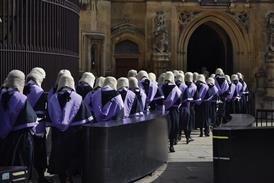




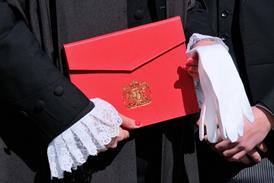
















The father of late singer Amy Winehouse warned of having the ‘finest and most aggressive lawyers in London’ as he brought a legal battle against two of her friends.
Mitch Winehouse had taken the action against Naomi Parry and Catriona Gourlay over items formerly belonging to his daughter that were sold at auctions in the US and fetched around £900,000. Both defendants had been close friends with Amy Winehouse from before she was famous and said they were entitled to sell the items because she had gifted them before her death in 2011.
Sarah Clarke KC, sitting as a Deputy High Court Judge in Mitchell Winehouse v Naomi Parry & Anor, ruled that the items had been gifts and that the defendants therefore owned them. Parry, as Amy Winehouse’s stylist, had an intimate knowledge of her habits and practices and was well placed to know when she had permanently discarded them. Gourlay was found to be a longstanding and close friend who would not betray Amy by taking items that were not specifically given to her.
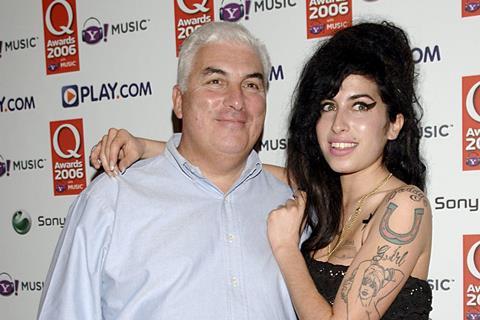
The ruling gave an insight into some of the litigation tactics employed by the claimant, who was said by the judge to like to dominate people and situation and to expect people to do what he wanted. Within days of the first auction in 2021, the judge recounted, Mitch Winehouse had instructed his solicitors to ‘bombard the defendants with aggressive letters and the threat of litigation’. He described his firm, Russells, to the auctioneer as ‘the finest and most aggressive attorneys in London’.
Parry told the court she had been accused by Winehouse and his solicitors of having stolen the items sold in the 2021 auction from a lockup in which property from Amy’s various homes was stored after her death. She said had never been in a legal situation like this before and recalled having receiving three letters from Winehouse’s solicitor in quick succession.
The judge said it was clear from correspondence that the claimant’s solicitor was indeed accusing the defendants of having stolen the items. ‘This is a grave accusation which had the real likelihood of causing distress and anxiety to the defendants as well as damage to their professional and personal reputations. It is for this reason that such a claim should never be advanced in civil litigation without clear evidence.’
The court heard that Mitch Winehouse explicitly accepted at trial that the accusation of theft was not being pursued – in effect it had been retracted.
Clarke said the evidence at trial in fact made it clear that none of the disputed items sold by the defendants at both auctions could have come from the lockup.
The judge added: ‘In my view, the serious and damaging allegation of theft set the tone for the conduct of this litigation and caused both defendants to become defensive and therefore guarded in their response to it as reflected in the pleadings.’
This article is now closed for comment.





1 Reader's comment