























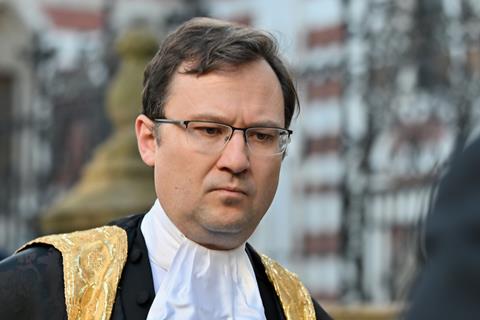
The government has today confirmed a partial U-turn on its plans to curb jury trials – with lord chancellor Alex Norris deciding to change course after hearing the ‘strength of feeling’ on the controversial reform.
Norris’s predecessor David Lammy refused to budge on the most controversial element of the Courts and Tribunals Bill despite overwhelming opposition from the profession and even dozens of Labour MPs. However, Norris announced a partial U-turn today - the first day of the Conservative Party conference.
Norris said: ‘This government inherited criminal courts on the brink of collapse, with victims waiting years for their day in court. I remain committed to bringing down the backlog and delivering swifter justice for those who so desperately need it. But I have heard the strength of feeling on the proposals for increasing the number of judge-alone trials in the Crown court and have made the decision to change course.'
The planned Crown Court Bench Division, where judges alone would have heard cases likely to attract a prison sentence of up to three years, has been scrapped. However, Norris still intends to remove the defendant's right to elect a jury trial for 'either-way' offences, such as theft and burglary. Complex fraud cases could still be heard by a judge alone - despite warnings from City lawyers that this would create new burdens for courts and judges.
Read more
Labour conference: 'Confusion' reigns on jury curbs as Norris takes the floor in Liverpool
By scrapping the Crown Court Bench Division, Norris can concentrate on 'broader changes' to bring down the record number of cases waiting to be heard.
He said: ‘This allows us to start that work far earlier, ensuring that under this government we do not have victims waiting endlessly for justice. Justice delayed is justice denied, and I am committed to maximising efficiencies in our system alongside record investment. I remain committed to structural reform which is crucial if we are to bring down the backlog.’
The bill, which returns to the House of Commons on 13 October, will contain a 'statutory commitment' to an independent review of the impact of the structural reforms on ethnic minorities and people with different backgrounds.
Norris will be hoping the latest changes, along with the recent announcement of specialist rape courts - which rebel MPs tried to include in the bill earlier this year - are enough to get the bill through parliament.
Law Society president Mark Evans welcomed the government's decision to step back from some of the proposals. However, he added: 'We remain concerned that putting more cases into the magistrates’ court, which also faces record backlogs, without increasing capacity places even greater strain on an already overburdened system and risks serious cases facing summary justice.
'It is essential to invest in legal aid. The prospect of people facing imprisonment while being denied legal representation remains a serious concern and lack of legal representation adds to delays.'
This article is now closed for comment.





6 Readers' comments