






















Prime minister Andy Burnham has announced changes to the prison release scheme which will see an additional 5,000 offenders leave prison early.
The ‘significant’ changes, which follow an urgent review ordered by Burnham last month, include excluding sentences for rape, serious child sex offences and other grooming offences from the scheme. Writing in the Telegraph, Burnham said he ‘wanted to go even further’ but had ‘pushed to the very limits of what is possible to do…without risking the prison system reaching capacity and collapsing within months’.
Other changes include ‘tougher’ supervision and community measures and for all offenders released under the scheme to be tagged. Probation officers will have the power to ban those released from driving, pubs and events.
The scheme has been delayed to begin in October, with 5,000 offenders expected to be released, roughly an additional 500 prisoners each month.
Read more
Speaking to Sky News today, justice secretary Alex Norris said: ‘It was originally meant to be 6,000. It is now 5,000. For context, 4,500 people leave prison on an ordinary month so that is the kind of scale. That is why I believe probation will be able to do their important work in terms of meeting all that workload.
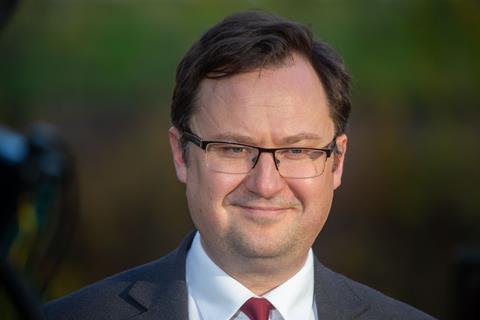
‘We’re out of where the previous government got to, which is this doom loop of getting to the end, having to do emergency release schemes where individuals were let out with none of the controls we are talking about, as a result of these changes this gives us long-term security in the prison estate.'
Norris said the changes, if not made, would result in no more prison places by October or November this year. He added that the changes were done ‘to make sure we have a functioning prison system’.
Victims’ commissioner Claire Waxman met Norris to discuss safeguards to protect victims and maintain public confidence during the review of the early releases. She said that though the government had ‘bought itself some time…unless this moment is matched by the leadership, investment and reform needed to address the root causes of these failures, it will have done little more than postpone the next crisis’.
She added: ‘The lord chancellor must now work at pace…and use the coming weeks to ensure victims receive the necessary information, support and reassurance they need to feel safe, while agencies across the criminal justice system put in place robust arrangements for assessing and managing risk.
‘The government has announced exclusions for those convicted of rape and certain child sexual abuse offences. While this will be well received by some victims, most will not fall within those categories, and exclusions alone cannot guarantee victim or public safety. Effective risk management, meaningful licence conditions, proper supervision and timely, trauma-informed communication and support remain critical.
‘This crisis has once again laid bare a justice system trapped in a cycle of short-term fixes and long-term neglect. Time and again, victims and families are left paying the price when problems are ignored until they become emergencies.’





1 Reader's comment