
















An experienced solicitor who admitted to a judge that he told his client to lie has avoided being struck off the roll.
Shafiq-ul Hassan, who was a director with now-defunct Cardiff firm City Law Solicitors, also gave evidence under oath that he himself had ‘exaggerated and lied’ during a meeting with his client and two other parties over a property transfer.
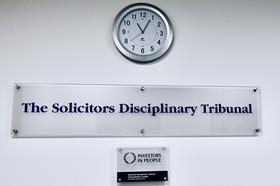
The Solicitors Disciplinary Tribunal heard that the meeting, held in Punjabi, had been secretly recorded and the translation was later presented to the court during a costs recovery hearing in 2020. Mr Recorder Blakemore, the judge hearing the case, had said the suggestion by Hassan to his client that he should consider lying to the court to get an adjournment was ‘deeply concerning’ and must be investigated by the Solicitors Regulation Authority.
During a three-day hearing before the tribunal last month, Hassan denied misconduct. It was submitted that his client had informed him he was being threatened by family members over the removal of a restriction on the property. He said the translation of comments made at the meeting did not accurately convey the context of his words and that when he spoke to the judge about lying then he was talking hypothetically and to protect his client.
The tribunal accepted that the client had been under ‘extreme pressure’ and that Hassan had lied to relieve this. But even if he had ‘laudable reasons’ for lying in the meeting, the tribunal said this was not a defence to dishonesty.
In mitigation, Hassan’s representative submitted that the dishonesty was limited to two or three statements made in one meeting in an otherwise unblemished 20-year career. There was no benefit to making these statements and it would be ‘disproportionate’ to end Hassan’s career over this matter.
The tribunal found that Hassan was genuinely concerned for his client but that his dishonesty was deliberate and calculated. Its ruling added: ‘The tribunal accepted that the misconduct had damaged the reputation of the profession and that a substantial sanction was necessary given the need to maintain public confidence. Nevertheless, the exceptional circumstances identified justified a sanction less than striking off.’
The panel opted to suspend Hassan from practice given the mitigation, the absence of harm, the lack of gain and the minimal risk of repetition. But it added that the outcome was based on the exceptional facts of the case and ‘should not be read as creating a wider precedent for leniency’.
Hassan was also ordered to pay £37,568 costs.