






















Not every case that can be run should be run. I have come to believe this more strongly as my career has progressed – first through service and later through law. Before qualifying as a solicitor, I served in the army and that experience continues to shape how I think about responsibility, trust and the consequences of getting things wrong.

For most people, the law is not abstract. It lands when something has already gone wrong and they are trying to work out what to do next, often while dealing with injury, uncertainty and unfamiliar processes.
Much of my work involves people who have never before dealt with the law. They are often anxious and unsure who to trust. They want clarity, not momentum.
My role is not to push cases forward, but to exercise judgement – to explain the options, be honest about risk, and ensure decisions are informed and owned by the client.
I practise in specialist claims, including military-related cases such as noise-induced hearing loss. For many clients, the injury itself is only part of the problem. Confusion, delay and mixed messages often cause as much distress as the condition they are living with. What people value most is not urgency, but clear advice and the time to think. Context matters. Military service carries its own culture and pressures. Many who have served are slow to complain and reluctant to ask for help. When they do seek legal advice, it is usually after giving the matter a great deal of thought.
Over the past year, I have become increasingly concerned about how this area of work is changing. Claims that require experience and careful judgement are being treated as commercial opportunities. Firms with no background in military claims are moving into the space in large numbers, attracted by volume rather than by suitability for the work.
Experience is not a badge. Understanding military claims – or any specialist area involving vulnerable people – takes time. It requires familiarity with the evidence, the context and the likely consequences for the individual. It cannot be learned quickly, and it cannot be replaced by branding, scripts or call-centre activity.
However, it is now common for clients to describe repeated unsolicited contact, pressure to act quickly and advice that only tells part of the story. Often, the emphasis is on getting matters started, rather than on understanding where a claim may realistically lead.
This is not always the result of bad intent. More often, it reflects a way of working where the priority is signing up as many people as possible, rather than taking the time to guide them properly. In that environment, individuals risk being treated as numbers rather than as vulnerable, injured people. That is where exploitation can take hold, even when it is described as access to justice.
The profession already understands this risk in other areas of serious injury work. In cases involving catastrophic spinal cord or brain injury, an assertion of specialism will be questioned quickly. Firms are expected to show that they have the experience, resources and judgement required for work of that seriousness. Military claims, particularly those involving career-ending injury, deserve the same level of care.
Regulation rightly focuses on whether firms are authorised and properly structured. It does not always capture whether the advice being given is good advice, or whether the person giving it has the necessary experience to do so. Trading names, heavy social media advertising, and high-volume calling can create an impression of authority that vulnerable people may find difficult to challenge.
One of the harder parts of this work is telling people that they should slow down, or that pursuing a claim may not be the right course at all. That advice is rarely welcomed. It can be uncomfortable and, at times, commercially inconvenient. But it is honest and often necessary. Good lawyering is not about how many cases are run or how quickly they move. Some areas of practice demand restraint, experience, and the confidence to say no – particularly where people are injured, uncertain and vulnerable.
At a time when the world feels increasingly unsettled, it is worth reminding ourselves why many of us came into this profession. Law is a business. There is nothing wrong with being paid for skilled and demanding work. But there is a clear difference between earning a living through careful advice and allowing commercial pressure to drive decisions.
Specialist personal injury claims work, done properly, gives people clarity and protection at a difficult point in their lives. Done badly, it risks making matters worse. The question for the profession is not how much of this work can be done, but how well it is being done – and by whom.
For me, the answer lies in care, clarity and responsibility, and in taking pride in helping people navigate situations they never expected to face.
That is not a slogan.
It is the reason I practise in this area of law.
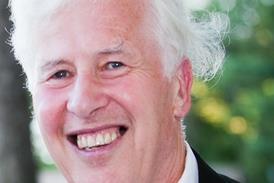
Grant Evatt is managing director of Alma Law, Hampshire








1 Reader's comment