




















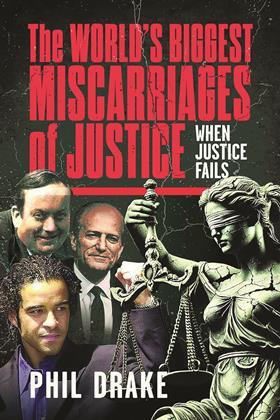
The World’s Biggest Miscarriages of Justice: When Justice Fails
Phil Drake
£16.99, Pen & Sword Books
★★★✩✩
This is an interesting collection of criminal cases that went seriously wrong. As well as the UK, the book includes cases from the US and New Zealand, relating to false or unreliable confessions, allegations of police corruption and tainted evidence. Many I had not heard of, but the collection includes the Stefan Kiszko case, the Guildford Four and the Jill Dando murder.
Kiszko was convicted of the rape and murder of 11-year-old Lesley Molseed. Some teenage girls accused Kiszko of exposing himself to them the day before the murder. He had no previous convictions but had an unusual hobby of writing down number plates. He had written down the number of one car which had been seen at the crime scene. The police arrested Kiszko. After three days of questioning, he confessed to the crime. He did not have a solicitor present and was not asked if he wanted one. Kiszko served 16 years in prison and was freed on appeal in 1992. It took more than 30 years for the real murderer to be convicted using DNA.
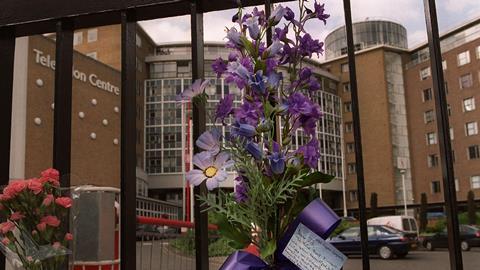
Jill Dando was a BBC television presenter who was shot dead on her doorstep in the 1990s. Barry George was convicted of her murder and spent eight years in jail. He was acquitted at a retrial. The real killer, who may have been a professional assassin, has never been found.
All of the cases are written up like short detective stories, covering the crime, the trial and the aftermath. A theme that runs through the book is that vulnerable defendants, along with pressure on police to solve a horrendous crime, can combine to result in errors that are difficult to put right. The appeal system is often far from perfect.
The unsung heroes often comprise the defence team, who are underfunded and lack the resources of the state. A standout example concerns barrister Rag Chand in the case of Sean Hodgson. Chand tracked down swab samples that the authorities had claimed were destroyed. They were taken in 1979 and found in about 2007. Modern DNA analysis resulted in Hodgson’s conviction for murder being quashed after he had spent 27 years in prison.
Remember that every wrongfully convicted person means the real perpetrator has gone free. I was interested to read about a US case where wrongly convicted defendants successfully sued and a jury awarded a staggering $28m in compensation.
David Pickup is a partner at Pickup & Scott Solicitors, Aylesbury





No comments yet