















President Trump’s attempts to minimise Russia’s war crimes mean we must keep the focus on Putin’s war on Ukraine’s children.
On 16 February 2022, my daughter was among students at the Cambridge Union Society who were treated to the foreign policy insights of Sir Simon McDonald, former head of the UK’s Diplomatic Service. One issue was front of mind: was Russia about to launch an all-out invasion of Ukraine? McDonald said: ‘I think Mr Putin is achieving enough of his objectives with his choices to not feel the need to invade the east of Ukraine further than he has.’
Two days later that assessment was shattered by Russia’s full scale invasion.
You knew that children would be among the civilian casualties. Russia’s army is one of the world’s less careful land forces.
What was not expected was the unconscionable degree to which children would become targets.
Since the start of Russia’s full-scale invasion, it is estimated that 35,000 Ukrainian children have been taken for forced indoctrination and adoption, fuelled by the Russian hierarchy’s twisted preoccupation with its own falling birth rates and a desire to enact cultural erasure.
The International Criminal Court has brought the only international charges to date over the conduct of the war by focusing on these children. As the ICC puts it: ‘There are reasonable grounds to believe that Mr Putin bears individual criminal responsibility.’
Yet, it feels like the children keep slipping from view in coverage of the war. Much more time is spent analysing presidential posts on Truth Social.
Last year a friend, the MP Johanna Baxter, asked me to a screening in a Commons committee room of a documentary film about the position of the children in the war. She’s been personally sanctioned by the Kremlin for her work raising awareness of Ukraine’s abducted children.
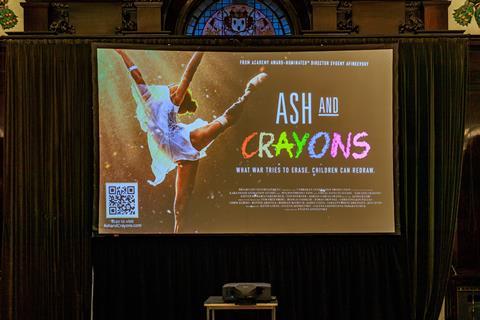
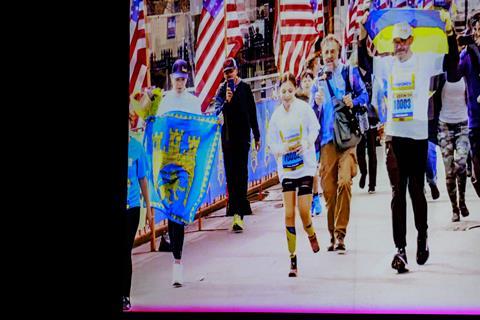
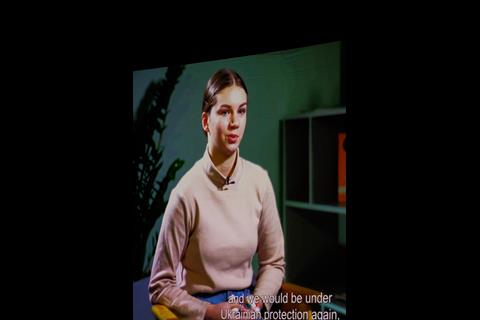
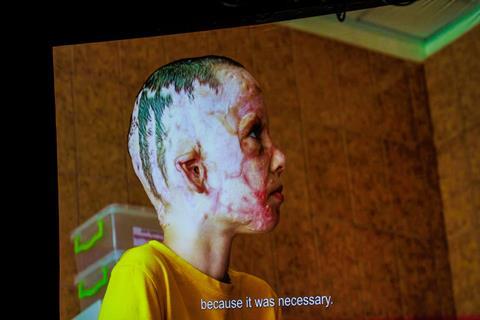
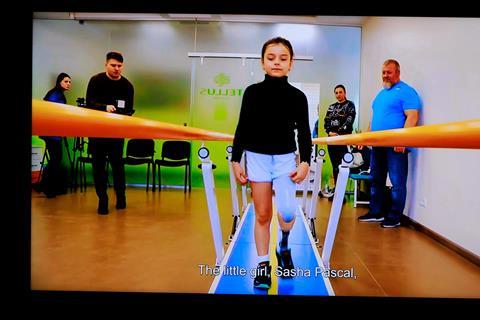
The film (now titled Ash and Crayons), by Ukrainian director Evgeny Afineevsky, follows the lives of several Ukrainian children, two of whom were subject to Russia’s policy of abducting children for forced indoctrination and adoption, but were among the few who managed a return to Ukraine and their families. Others included amputees injured in Russian air attacks. Another was held and forced to clean up the blood and other mess at a building used for systematic torture.
It’s a hard-hitting film that, as one viewer put it, ‘comes straight at you’. And in a month when president Trump’s envoy Steve Witkoff praised president Putin as a ‘humanitarian’, and Trump said ‘Russia hasn’t been doing much’ to Ukraine, my conviction that it needs to been seen is very strong. (It’s not on general release, although that is set to change – see below.)
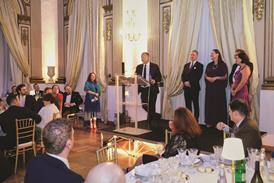
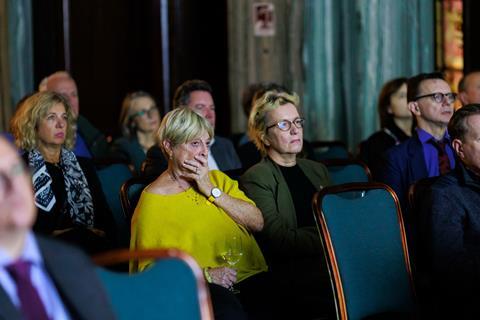
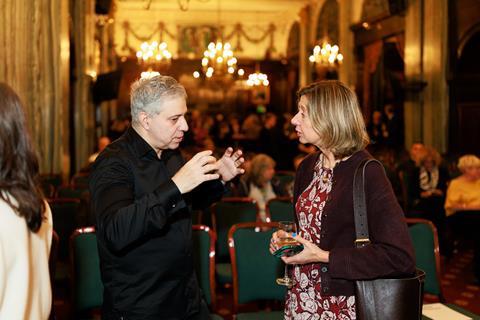
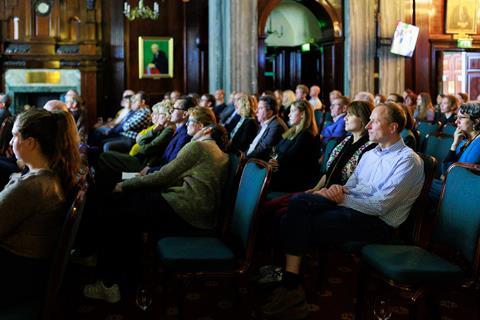
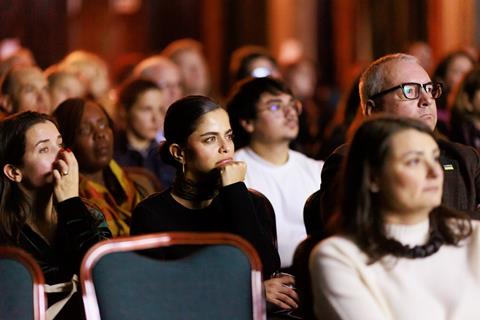
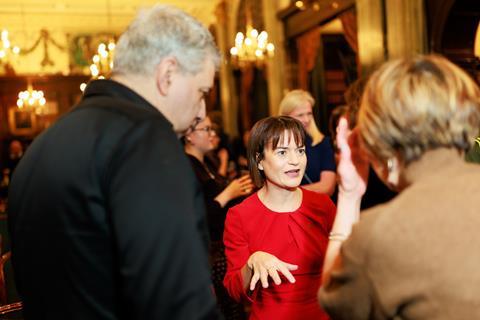
So, I found a way to show it, and on Tuesday the Law Society’s Common Room – which many readers will know as the location of their admissions ceremony – became a cinema for an audience made up of lawyers (both business and human rights), journalists, political and policy contacts, academics, and the guests they brought (some had their teenage children in tow). Also present were many Ukrainians – part of the diaspora here in London, and some who had travelled from Ukraine.
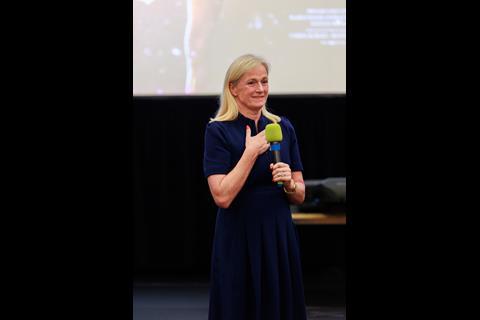
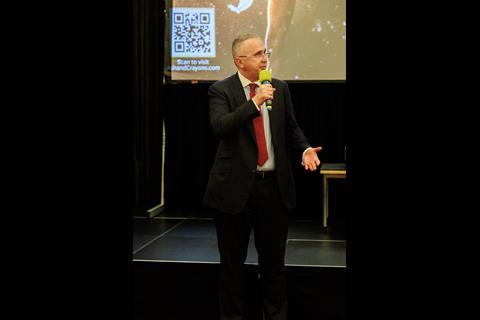
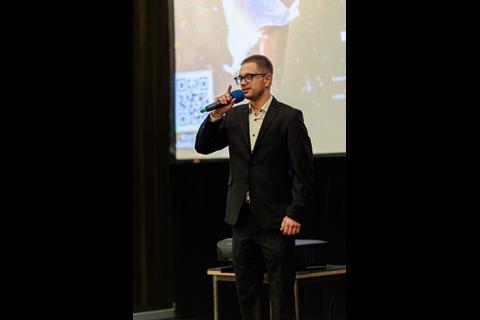
Afterwards the audience heard from Afineevsy, who introduced Bohdan Yermokhin, a child in the film but now in the Ukrainian army, granted permission to travel for the screening. Yermokhin had met with and assisted the ICC ahead of its indictments.
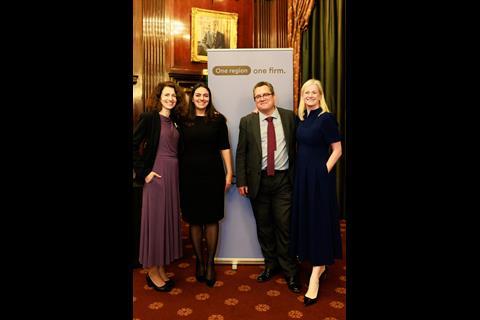
The screening was funded by law firm Wolf Theiss, whose Ukraine managing partner Taras Dumych travelled to London for the event, and members of the IBA’s European Regional Forum Committee. Dumych recalled fleeing his home outside Kyiv with his family as Russia invaded. Returning after Russian forces were pushed back, he found the note his daughter had left in her room (‘F**k Putin!’). Children, he noted, see the war with clear eyes.
Parliamentarian Liudmyla Buimister, whose degree was in international public law, also travelled from Ukraine. She told me about her desire to get international civil claims on behalf of Ukrainian children harmed in the war off the ground. Also present were lawyers from international law firm Covington, which acts for Ukraine’s government pro bono at the International Court of Justice.
The film’s director says it , not least, a film about resilience. It is also, in the context of Witkoff’s and Trump’s remarks this week, minimising the human cost of Russia’s war, a film about not looking away, and about what justice and legal accountability must take account of at a future point. Which is why I sought help in bringing it to Chancery Lane.
On that point, the film’s maker’s recently had some good news. 20 November, which is World Children’s Day, will see the first public screenings of Ash and Crayons, including at Picture House Finsbury Park. If you haven’t seen it, I hope you will find a way.









No comments yet