


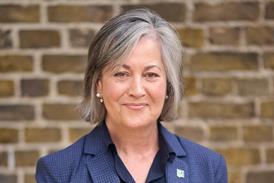
















By October, when Baroness Carr clocks up three years as lady chief justice, she will have served longer in her current post than any of her heads of division – the master of the rolls, president of the King’s Bench Division, president of the Family Division and the chancellor of the High Court.
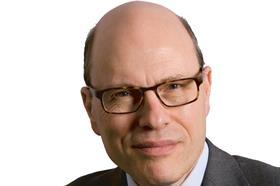
That will give her the authority to reorganise and rationalise some of their responsibilities. And even if the government’s planned jury reforms never get off the ground, another provision in its courts and tribunals bill will unite the judicial family – bringing in the senior president of tribunals as a head of division and making Carr president of both the courts and the tribunals of England and Wales. None of her predecessors has held greater responsibilities.
She will no longer have the support of Dame Victoria Sharp, a head of division who is retiring in both senses of the word. Some thought that Sharp would step down in 2023 after she had applied, unsuccessfully, for the top job. She stayed on, hugely valued by the many judges who call on her for advice and support.
The appointment last week of Sir Stephen Cobb as president of the Family Division – though certainly not unexpected – came after he had served for less than a year in the Court of Appeal. Another judge who may well leapfrog older colleagues is Lord Sales, also 64, who will have been deputy president of the Supreme Court for a year when the UK’s most senior judicial post becomes vacant next January.
All these promotions will create vacancies in the Court of Appeal and then the High Court. As far as I know, there are still first-class lawyers willing to take these posts. But the moral is an obvious one: if you want to reach the highest levels of the judiciary, apply early.
That, however, is where the problems start. All these appointments require the involvement of the Judicial Appointments Commission. And the commission has been left without a chair for the past four months. Interviews were meant to have taken place last month but I expect we shall not see anybody in post for some weeks. It is a hugely responsible job – but not very attractive.
That is something one could say about many public offices these days, the judiciary included. Whatever you may think about the need to limit trial by jury, there is no doubt that making a named judge responsible for deciding whether to convict a violent criminal puts that judge at greater risk than before.
And it is not just judges. ‘All political lives, unless they are cut off in midstream at a happy juncture, end in failure,’ wrote Enoch Powell MP in 1977 – and his was no exception.
Take Sir Keir Starmer. The prime minister’s handling of the Peter Mandelson affair and the expected results of next week’s local elections would make him vulnerable to challenge as Labour leader if there was anybody in parliament who was thought capable of doing it any better.
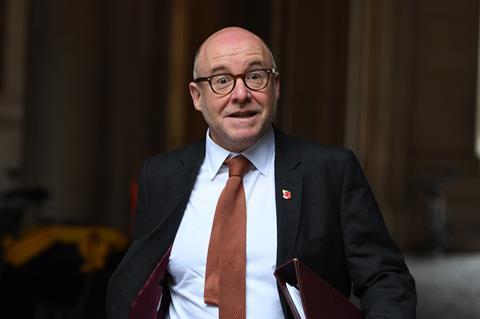
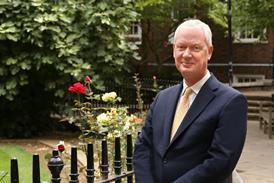
Meanwhile, his attorney general has come under daily attack from the Telegraph. If anything, that will provoke sympathy for Lord Hermer (pictured). Provided lawyers keep within the rules, they should not face criticism for acting in the best interests of their clients. However, it does not work in quite the same way if your client is an unpopular government.
‘The headline point is, I love this job,’ Hermer told the Financial Times recently. ‘Every day, I kind of skip in.’ But that was before the Telegraph started having a go at him.
One thing Starmer and Hermer share is that they were both successful barristers before they entered parliament. Far too many politicians had no experience outside politics before they became MPs. This limits their effectiveness as ministers and reduces their chances of finding work when they leave.
Others have got themselves elected to local councils or even to parliament by joining a party that has never been in power. Voters support these untested candidates because they have no record of failure and then seem surprised to find that they cannot deliver.
Look around you at those who are successful in business or the professions. Why would any of them give up their responsibilities and rewards for a career in public life? As MPs, they would be swamped with constituency work. Parliamentary hours have been adjusted to make it harder for them to maintain connections with their former careers.
And it is a world that has become increasingly cynical about people who aspire to give something back to society. Why build a public profile for yourself if it means you are going to be attacked on social media or, worse still, in real life? Spare a thought, then, for those who seek to do something good in an increasingly bad world.
joshua@rozenberg.net









6 Readers' comments