




















Kwadjo Adjepong was at home when the post arrived with an official-looking envelope. He opened it to discover he was being made an OBE in the King’s Birthday Honours for services to sport and sports law. ‘My initial reaction was shock and disbelief that my contribution to sport and sports law was being recognised in such an amazing way. I never anticipated this sort of recognition.’
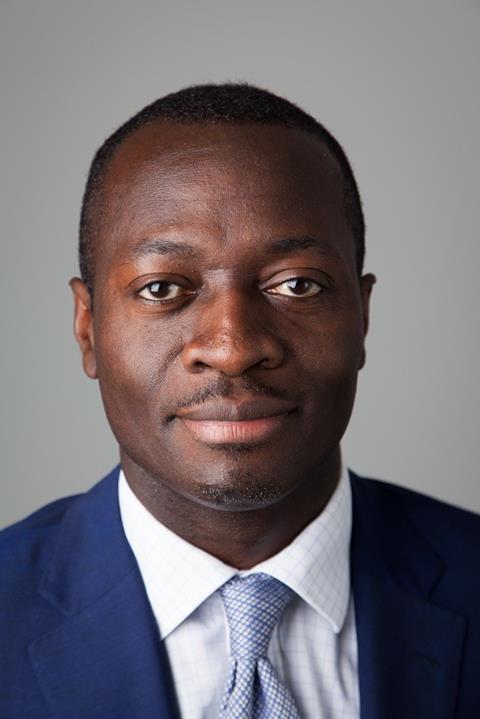
When he was younger, Kwadjo wanted to be a professional athlete. However, his parents were not as keen on the idea. ‘All it would take is a serious injury and your career is over.’ His father had a law degree and his sister was called to the bar, so ‘the idea of law was in my mind’.
Kwadjo told his careers officer that he wanted to become a solicitor. ‘They tried their best to discourage me.’ In hindsight, Kwadjo realises they were ‘trying to help me realise it was going to be difficult and competitive. For someone from a working-class background, it was going to be tough’. Kwadjo graduated in law during the recession of the early 1990s. ‘I had to deal with rejection and disappointment, but it did not deter me from achieving my ambition.’
During summer holidays, Kwadjo worked as a paralegal at a law firm. Seeing his determination to succeed, the firm offered him a training contract. ‘It was a pivotal moment.’ After qualification, he moved to a firm in London’s West End. His CV also includes work at the Serious Fraud Office, Financial Conduct Authority and Goldman Sachs.
'Sport can bring communities together and provide opportunities to make a positive contribution'
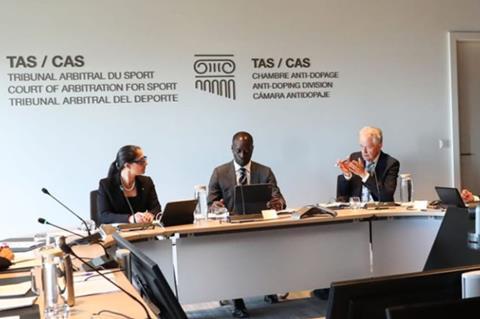
In 2021, Kwadjo was appointed as a judge at the Court of Arbitration for Sport. ‘I found somewhere that combined sport and law, given my background as an athlete. And I had harboured ambitions of becoming a judge. But there was no master plan. I was fortunate, through luck and hard work, to find myself in a position to do work that’s such fun.’
Is life as a CAS judge as glamorous and exciting as it sounds? Kwadjo says there is a degree of glamour in sports law more generally because cases often involve well-known sportspeople, clubs, governing bodies and sports federations. One of Kwadjo’s highest-profile cases concerned an alleged breach of UEFA multi-club ownership rules that prevent clubs with the same owner from competing in European competitions. He has also presided over cases concerning alleged breaches of Premier League and English Football League profit and sustainability rules that can lead to fines and points deductions.
When Kwadjo began his career, sports law was in its infancy. ‘It has grown exponentially ever since and is one of the fastest and most dynamic areas of law.’ Because of his journey, and the expertise he has developed in areas of law such as crime, civil and commercial litigation, Kwadjo says: ‘I am much better placed to make a valuable contribution to sports law. It embraces so many different elements of legal practice.’ His advice for aspiring sports lawyers? ‘Becoming a good lawyer is the most important thing.’
And his favourite sport? ‘There are too many to mention. I have always loved Olympic and Paralympic sport, World Cup football and grand slam tennis events such as Wimbledon.’
Sport is hugely important to Kwadjo, who has been involved in elite, recreational and disability sport as an athlete, volunteer, coach, official and mentor in his spare time. ‘I believe that sport can bring communities together and provide opportunities to make a positive contribution.’









No comments yet