














Head of dispute resolution, Leeds
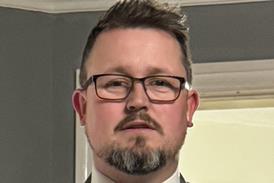
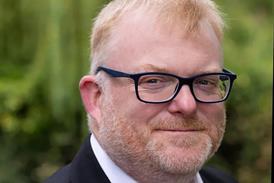
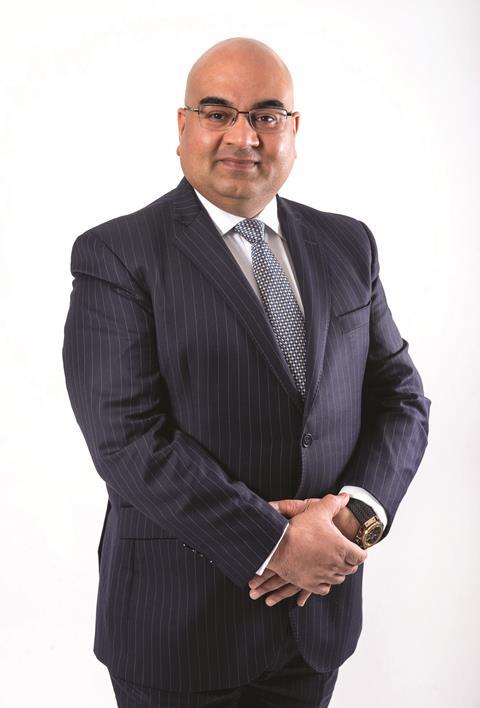
Head of dispute resolution at Blacks Solicitors, Luke Patel has developed a specialism in complex charity disputes concerning religious institutions, such as temples, gurdwaras and mosques. He traces this back to his voluntary community mediation work.
Disputes might be about funds and spending: ‘I recall one case where a gurdwara [Sikh place of worship] wanted to build an extension to the property, but a faction of the trustees were opposed to that spending. It was a case of getting the trustees together to see what the objectives of the organisation were and come to a resolution, ensuring there is no dispute such that the Charity Commission gets involved – because then it’s out of your hands. That is not good for the community or the trustees.’
If an interested person within a charity files a serious incident report, the commission will appoint a caseworker, write to the trustees and conduct a compliance visit. ‘I have done several compliance visits where a senior officer from the commission interviews the trustees.’ The caseworker will write up their report and may issue advice on how the charity should perform its functions, providing guidance on procedures. The ‘worst-case’ scenario is if the commission appoints an interim manager.
On the challenges of doing complex charity dispute work, Luke says: ‘Because it is very personal to the individual, you have to be careful and delicate. There might be religious doctrines or reasons why certain actions are being taken. You have got to be sensitive, but at the same time you have to ensure they keep within the law and do not step out of the law.’
Luke was involved in a case that eventually reached the Supreme Court. Shergill and others v Khaira and others concerned disputes that arose within the Sikh sect associated with three gurdwaras. The appeal raised two questions: the extent to which it is open to trustees to alter, or restrict, the terms of the trusts upon which they hold property; and the extent to which the court can and should refuse to determine issues of religion or religious belief in legal proceedings. Luke took the case to the Court of Appeal and successfully secured permission to appeal to the UK’s highest court. ‘You’re effectively going to the Supreme Court to change law. It was very challenging but very satisfactory.’
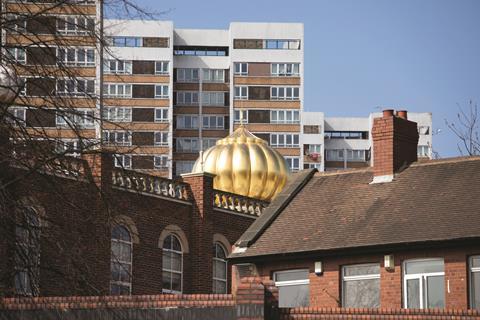
'There might be religious doctrines or reasons why certain actions are being taken'
Shergill is one of four cases that Luke has been involved in at the Court of Appeal. He would go on to win Best Professional in Business at the English Asian Business Awards in 2013. It was a special moment for Luke, who was inspired to become a lawyer in his early teenage years, when he went along with his father to visit a solicitor friend.
In his last year at school, Luke would visit the local court and sit in the public gallery to watch a case unfold. He studied law at Leeds University, where he was in the same year as parliamentarian Baroness Warsi (Sayeeda Hussain Warsi). He did his professional exams at York College, then two years at a litigation firm in the City before he ‘came back north’.
Luke, who qualified in 1995, joined Blacks Solicitors in 1998. ‘Blacks was a property-based firm. When I joined, my brief was to create a litigation department. When I came in, there was only one litigation lawyer.’ Within two years, he had created a litigation department and became a partner at the age of 30. He is proud of the team he has built – from two to 25 today, with litigation lawyers working in specific areas, such as real estate, insolvency and telecoms.
On where his community spirit stems from, he says: ‘My father came to the UK in the 1960s. I remember as a child, people used to come to our house asking for my father’s assistance to fill in forms, or they wanted something translated from English to Gujarati. That brushed off on me, what my father did.’
Giving back to the community is important to Luke, who mentors local college and university students to help them understand the pathways into a legal career. He wants his legacy to be helping people get into the law, ‘especially those who come from families or communities where it is difficult to penetrate the legal profession’.











No comments yet