






















A barrister in his 70s was trapped in a lift at Leeds Crown Court for an hour and 52 minutes during this week’s heatwave, a KC has revealed - as he told the government to stop ‘peddling nonsense’ about jury trials and focus on repairing the courts estate.
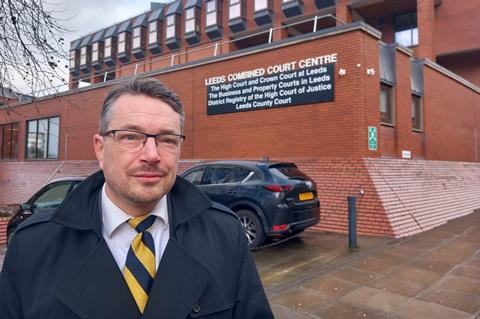
Nick Worsley KC was told about the incident while the barrister was trapped in the lift. He posted details of the incident on LinkedIn, tagging prime minister Keir Starmer and courts minister Sarah Sackman.
‘How is this acceptable? These are the same lifts that are constantly breaking down, being patched up, only to break down again. You need to fund the repairs to the courts estate that [Sir Brian] Leveson told you were needed NOW. Enough of this nonsense you are peddling about juries - the delays in the system are down to chronic neglect and underfunding,' Worsley fumed.
A spokesperson for the ministry said: ‘HMCTS is aware of an incident at Leeds Crown Court, but staff acted quickly to resolve the situation and alerted the fire brigade who assisted in releasing the individual.’
There is discrepancy about who called the fire service as the Gazette has been told a solicitor who was at court called the fire service.
On his broader point about the government's controversial jury trial reforms, Worsley told the Gazette that the idea that efficiency alone is not enough to reduce delays and cut the backlog is based on a false premise: 'We have had reports come back and say "this is what needs to be done" but it has not been done.'
Read more
He pointed to part two of the Leveson review, which said the court estate ‘suffers from chronic underinvestment, with a £1.3bn maintenance backlog’. Backlogs have fallen in parts of the country since the government lifted the cap on judicial sitting days and 20% of Crown courtrooms were sitting empty this week, he added.
The MoJ spokesperson said: ‘For too long our court buildings have been left neglected, which is why we have boosted funding to up to £287m this year to invest in vital court repairs, preventing cases from being delayed by maintenance issues.'
The department highlighted various reasons why courts cannot utilise 100% of available session hours: lost time in transition between different hearings; proceedings paused for counsel to seek client instructions; allowing legal teams to discuss unforeseen trial developments; delays caused by witness non-attendance or prisoner production; and courtroom maintenance or technology problems. The department added that operational capacity is not limited to courtrooms, sitting days and judicial capacity, and also requires consideration of the ‘finite supply’ of advocates, legal advisers and other court staff.
Please note: Anonymous comments will no longer be permitted on this site from 1 June. Please see our revised site terms here
This article is now closed for comment.





16 Readers' comments