







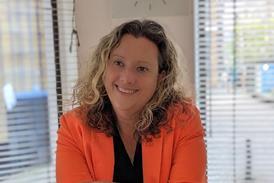






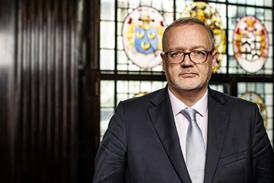






Legal director in the education law team at Enable Law, Bristol
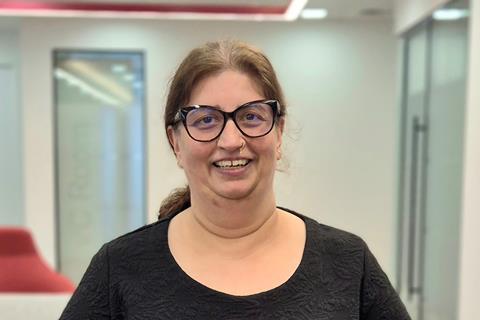
I feel guilty that I’ll be taking up some of Rukhsana Koser’s time for this interview. Last year, she wrote a blog entitled ‘I’m a lawyer, a carer and exhauster’. Rukhsana is a full-time carer to her adult siblings, who live with complex and rare genetic syndromes, requiring 24/7 support for physical, emotional and cognitive challenges. ‘They are loved fiercely by me and the family. But the truth is, caring can break you,’ she wrote.
Rukhsana became the main carer for her sister after their mother passed away 22 years ago, and the main carer for her brother when their father died in 2023.
‘The caring role can be quite difficult sometimes,’ Rukhsana tells me. ‘You can feel as if you’re alone and isolated.’
Work helps her mental health. ‘If I didn’t have that, I think I’d be a wreck.’ When Rukhsana’s brother was in hospital last year, she spent 12 hours a day with him. Able to access her laptop, she would work. ‘I’m one of those people, if I have clients, I [feel] an obligation to help them.’ But she says her employers were great and any time she didn’t work was carer’s leave.
Rukhsana, who qualified in 1997, is the legal director of Enable Law’s education law team. She specialises in special educational needs law and has over a decade of experience helping parents secure the right support for their child’s education, health and social care needs. She also advises clients on disability discrimination in school, school admission and exclusion appeals.
She enjoys helping children achieve their potential. ‘Progress is different for everyone because it depends on their ability. For some, it’s as simple as being able to sign something.’
Her approach as a lawyer has always been the same. ‘You need to be understanding of what someone is going through, see why they’re upset and frustrated.’ For instance, she says, a client might be balancing being a carer with being a parent to other children, a relationship and work. Sometimes, the caring role overtakes everything else.
'You feel invested in that child. You want to make sure they get the support they need so they can thrive. Everyone wants their children to thrive and be successful. I’m making sure that goal is met'
‘If parents fight for their children’s rights, most of them are successful. You can explain to them that there will be an “end”. Yes, it will take a bit of time because the system is overloaded, but there comes a point where it ends. They can then get back to not having to fight a system which is bureaucratic, and facing people who are constantly trying to cut budgets because there isn’t sufficient funding for everything they need to do.’
When the law isn’t working for parents, Rukhsana will explain their rights and write on their behalf to get things moving, to say ‘this child has been out of school. They have got a plan. You have a responsibility to make sure they receive an education. What are you going to do?’
‘You feel invested in that child. You want to make sure they get the support they need so they can thrive. Everyone wants their children to thrive and be successful. I’m making sure that goal is met.’
Being honest is important. If something is unattainable, Rukhsana will manage parent expectations by saying, for instance, ‘that’s not going to be possible but how about this option? It’s different to what you were looking for, but nonetheless it will help your child’.
What would Rukhsana change about SEN law? ‘I would like to change the culture of resistance. The Children and Family Act 2014 is strong. I would not want that to go away. The problem is implementation and families having to litigate. There should be accountability.
‘It feels like the starting point is “how do we refuse this?” rather than “how are we going to make this work for this child?”. These are children, someone’s whole world. People want the best for their child. It is wrong to stop that and cause families such emotional distress, which impacts on their health as well.
‘Every time I look at a tribunal bundle, I think, “this is a family’s life here”. If it’s going to go to a hearing, it will be such an important decision being made. I make sure the law does what it’s meant to do, and families do not have to break themselves to secure what their children are entitled to.’













No comments yet