




















An alleged fare-dodger who tried to rely on Mazur to claim the prosecution against him was flawed has had his case dismissed.
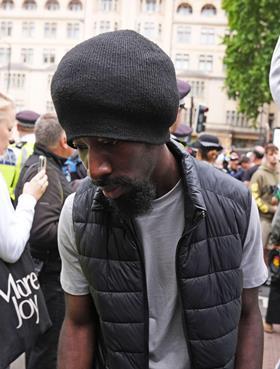
Charles Brohiri was summonsed for 113 offences after applications from train operator Govia Thameslink Railway, but his case was adjourned for legal argument after the prosecution raised several issues with the court. BBC News reported last year that he owes more than £30,000 in penalty fares.
His lawyer argued the court should dismiss 39 offences in full which had been commenced by ‘lay prosecutors’ who were not a regulated solicitor or barrister.
Citing the case of Mazur, in which it was held that the conduct of litigation is a reserved legal activity, it was submitted that the proceedings against Brohiri were invalid under the Legal Services Act as the prosecutors were not authorised.
The prosecution said that when charges were brought the criminal procedure rules had allowed for some time for a non-legally qualified person to apply to issue a summons – providing a clear exemption to the LSA. As such, it was beyond argument that a Govia employee could commence the prosecution.
It was further submitted that parliament had never intended through the LSA to invalidate such proceedings.
Sitting at Westminster Magistrates’ Court, District Judge Tempia agreed that a lay prosecutor could commence proceedings as an exempt person, ruling in Govia Thameslink Railway v Charles Brohiri that Mazur had no relevance in this case.
She said it was not parliament’s intention to nullify this type of prosecution and agreed it was Govia’s understanding that those individuals addressing the court were permitted to conduct advocacy.
The judge added: ‘Here, the conduct of rights of audience has been available after years of appearing in the magistrates’ court without a formal application being made every time and it appears to me that the court has granted rights of audience through practice and convention.’
The defendant also failed with arguments that the prosecution was unfair or an abuse of process.
The government stepped in last year asking train operators to pause using lay prosecutors.
The transport secretary Heidi Alexander wrote in August: ‘As ‘good’ and ‘efficient’ operators, we would not expect you to use lay prosecutors to present cases in court and carry out other regulated legal activities until you are confident that it is lawful to do so, having taken advice as appropriate.’
This article is now closed for comment.









28 Readers' comments