



















The Court of Appeal today overturned the Mazur ruling and effectively gave the green light to unauthorised staff to conduct litigation once again.
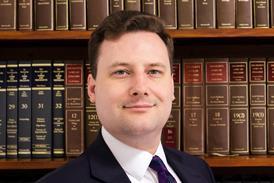
Lord Justice Birss, giving the lead judgment, said it was not unlawful for a legal executive, paralegal or trainee solicitor to act for and on behalf of an authorised individual under supervision. This was ‘provided the authorised individual puts in place appropriate arrangements for the supervision of and delegation to the unauthorised person’.
The ruling overturns the judgment of Mr Justice Sheldon, who had distinguished between supporting a solicitor and conducting litigation under the solicitor’s supervision. Birss made clear that both activities were lawful.
The court said there had always been a ‘widespread and well-regulated’ practice of delegation by solicitors to unauthorised individuals and that the Legal Services Act had not changed this position.
The crucial element was that solicitors or authorised legal executives should retain responsibility for the tasks delegated to unauthorised individuals.
The court said the delegation of tasks by the authorised individual to the unauthorised person 'requires proper direction, management supervision and control', and made clear the details were a matter for regulators. The authorised individual must put in place 'appropriate arrangements' to ensure compliance, added Birss.
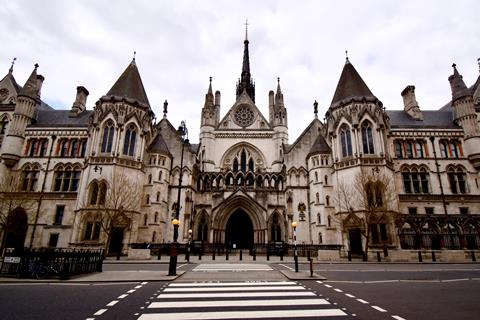
In the underlying case, litigants in person Julia Mazur and Jerome Stuart challenged a costs bill on the basis that an unauthorised person handled the litigation. The court said there was no doubt that the supervising solicitor ‘bore the relevant responsibility for the proceedings and was carrying on the conduct of litigation’.
The legal status of unauthorised people is now restored to the status quo ante pre-Mazur - albeit subject to further guidance from regulators about what constitutes lawful supervision.
The Chartered Institute of Legal Executives, which brought the appeal, had submitted that someone carrying on the conduct of litigation was the person directing and controlling the performance of a given task. Birss clarified that ‘carry on’ also involves a ‘degree of direction or responsibility for it’.
Both Lady Justice Andrews and Sir Geoffrey Vos agreed with the Birss ruling. Andrews said that, in essence, the question was whether the unauthorised person, in carrying out whatever tasks that fall within the scope of ‘conduct of litigation’ had been delegated to them, was in truth acting on behalf of the authorised individual.
She stressed that there must always be an authorised person delegating tasks and taking responsibility, adding: ‘If the reality is that the litigation is not being conducted by the unauthorised person for and on behalf of the authorised individual, they will be committing an offence.’
The Sheldon ruling sent shock waves through the profession, causing firms to reconsider their business models and remove cases from people deemed to be acting unlawfully.









2 Readers' comments