






















Claims firm Barings Law expects its business strategy to start paying off in the next 12 months, after newly published accounts revealed a hefty trading deficit.
A Companies House filing for the north-west firm covering the year to March 2025 shows that pre-tax losses increased by 78% to £22m on turnover up 490% to almost £2.2m.
Barings Limited recorded assets of £47m at March 2025, including £95,000 in cash. But with long-term borrowing extending from £66m to £92m, the business was running with net liabilities of £46m at the accounting date – a figure which almost doubled during the year.
The firm has based much of its strategic plan on motor finance claims. Since the results were recorded, that market has changed significantly. The Financial Conduct Authority has announced its own scheme for handling these claims, but there remains no definite timescale for when compensation will be paid.
Meanwhile, Barings scored a significant victory in June this year when the Court of Appeal upheld the High Court’s decision in Angel that thousands of claims could be dealt with under eight ‘omnibus’ claim forms.
Barings, which brought the 5,000 claims and represented the respondents in the appeal, said the ‘landmark ruling’ paved the way for additional claims against lenders.
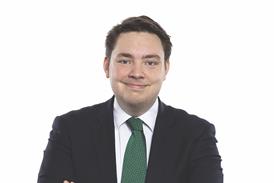
Reflecting on the latest financial results, Barings chairman Robert Whitehead said the firm had continued to invest heavily in its caseload, not just in motor finance but across data breach, business interruption and other areas of volume litigation. This has to be funded up front, but the value of that work in progress is not recognised in the accounts until cases are settled.
Whitehead acknowledged that some of the firm’s most significant cases have been held up for years by appeals, which has delayed the realisation of revenue, but the Angel decision should mean it can move forward with thousands of cases. He said: ‘While the FCA has encouraged consumers to pursue motor finance claims without legal representation, Barings has consistently backed the right of its clients to pursue their claims through the courts. With the FCA’s redress scheme now facing further delays, and the Angel judgment vindicating our approach, we intend to push ahead swiftly with our motor vehicle finance cases.
‘Given the number of claimants whom we represent across motor vehicle finance and affordability claims, alongside significant claims across the wider firm, we expect to start generating significant revenue over the next 12 months, as cases progress.’
In notes to the 2024/25 financial statements, Barings, which increased headcount to 116, said it continued to have the support of its main funder, other lenders, its bank and shareholder. But while the business is expecting significant income from its existing work, it admitted it wants to broaden its case portfolio into other areas with shorter settlement times and lower funding needs. Developing other revenue streams should help in ‘diluting’ reliance on volume claims work.
The company also plans to repay all external litigation funding over the next five years, recognising that interest on borrowings is a ‘very significant’ cost to the business. The accounts reveal that loans coming to £59.4m are secured by fixed and floating charges in favour of lender Claim Finance & Administration Co Limited. These loans attract interest at rates of between 28% and 37% and have no fixed repayment date.
Barings said it is negotiating a restructuring of its litigation funding facilities, which will include a ‘debt for equity’ swap, the main purpose of which is to remove the debt from the balance sheet and reduce the ongoing interest costs. It is expected this should be completed towards the end of this month.
For the second year running, the independent auditor’s report, prepared by David Clegg of AMS Audit Limited, draws attention to the net loss and the fact that the company’s current liabilities exceed total assets. It also notes that a significant proportion of the company’s economic value relates to contingent fee case portfolios which cannot be recognised as an asset until the outcome is certain and measurable.
Clegg noted that, given the uncertainty over the firm’s principal case types, a ‘material uncertainty exists that may cause a significant doubt on the company’s ability to continue as a going concern’.
This article is now closed for comment.





6 Readers' comments