




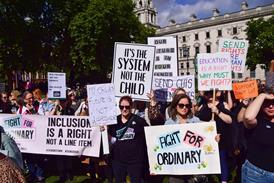


















The four bars of England and Wales, Scotland, Northern Ireland and the Republic of Ireland are ‘standing as one in opposition’ to the UK government's proposal to restrict the right to a jury trial.
Lord chancellor and justice secretary David Lammy will next year attempt to push through proposals to deal with what he has described as a ‘courts emergency’. Under his ‘swift courts’ plan, judges in England and Wales will sit alone to hear cases with a possible sentence of three years or less.
The proposal, which will require primary legislation, has attracted widespread criticism. Now the bars of England and Wales, Ireland, Northern Ireland and Scotland have expressed its ‘deep concern’ and urged the government to change course.
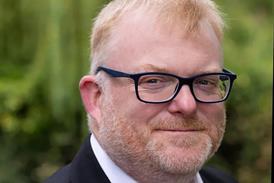
In their joint statement, bar chair Barbara Mills KC, Roddy Dunlop KC, dean of the Faculty of Advocates, Seán Guerin SC, chair of the Bar of Ireland and Donal Lunny KC, chair of the Bar of Northern Ireland, said: ‘The four bars are deeply concerned that the UK government is planning to restrict the right to a jury trial in England and Wales. Being tried by a jury of one’s peers is a fundamental cornerstone of the criminal justice system in our respective jurisdictions. There is no evidence that this fundamental change will bring down the existing Crown court backlog.'
Read more
The statement noted that Lammy's proposal goes further than the recommendations of Sir Brian Leveson’s review. It added: ‘The curtailment of jury trials has predictable negative consequences, including undermining the public’s trust and confidence in our criminal justice systems.
‘Trial by a jury is long established and respected throughout the common law world for its veneration of democratic ideals, its age, gender and ethnic inclusiveness, and its respect for citizens’ and judges’ roles in the administration of justice. Jurors provide an accumulation of life experience which marginalises extreme or unrepresentative views and, through the majority, delivers balanced and rounded decisions on behalf of the society from which its members were drawn.
‘The four bars stand as one in opposition to this proposal. Legislation is still some time away - the government has time to listen to the views we express and to change course.’
This article is now closed for comment.



16 Readers' comments