
















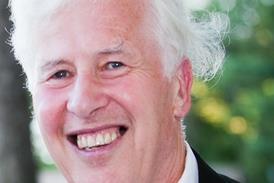






Countries’ differing attitudes to the acceptability of AI could threaten the future of cross-border recognition of arbitral awards, the master of the rolls has said. In his latest speech on the technology's impact on justice, Sir Geoffrey Vos said this week that many practitioners are in denial about the scale of the changes that AI will make to dispute-resolution.
'I believe that, once those changes start to crystallise, questions of enforcement will arise more frequently and more acutely than they have in the recent past,' the head of civil justice told the International Chamber of Commerce.
In his speech, Vos stressed the difference between litigation and arbitration when it comes to the adoption of technology. State courts cannot hand decision-making to AI without legislative authority, he said. By contrast 'arbitrators can use machines to assist their decision-making in any way that parties may agree'. The increasing complexity and mounting costs of dispute resolution will create incentives to do this.
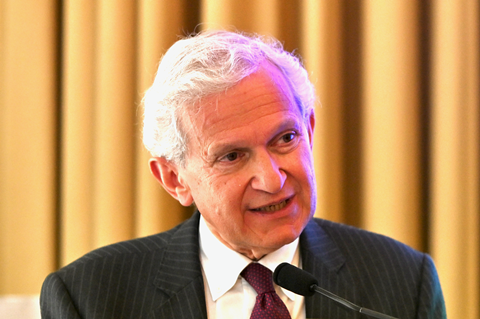
Meanwhile, parties will turn to AI to predict what the outcome is likely to be. 'As they are both advised of these outcomes, the parties will feel economic pressure to settle at the level predicted by the machine rather than waiting for a decision'.
In the enforcement of machine generated decisions, 'significant issues may start to arise'. Vos noted that countries around the globe are moving 'at very different speeds in the adoption of AI'. At Shenzhen Intermediate Peoples' Court, which he visited last month, AI proposes draft judgments and reasons for use by human judges. Brazil, Argentina, South Korea and Kazakhstan are also pushing ahead, he said.
Such a multi-speed world could threaten the New York Convention on international enforcement, which contains a 'public policy' exception, he said. He predicted that parties in countries where governments are attempting harsh regulation of AI 'could seek to argue that the recognition or enforcement of an award in which AI has played a significant role would be contrary to that country's public policy'.
Vos, who is due to step down at the end of this month, called for 'an international debate on good practice in the use of AI in judicial and arbitral decision-making'.





No comments yet