






















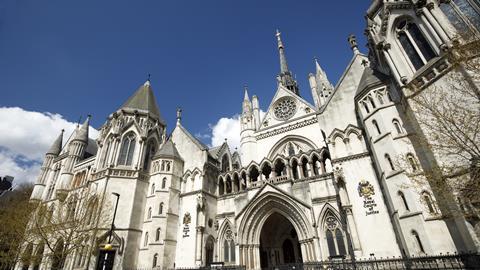
A court has ruled that a Part 36 offer very close to the full value of the claim was not game-playing but a legitimate attempt to settle a high-profile divorce case.
The claimant in Timokhin v Timokhina had offered what amounted to a 9% discount on the value of his full claim when his lawyers made the Part 36 offer last May. The underlying case was a dispute between Russian national former spouses about the recognition and enforcement of two Russian judgments on their contest post-nuptial agreement.
The Part 36 offer was rejected by the defendant wife and the case went to trial: the court found in favour of the claimant and awarded him the full £417,000 value of the judgments.
The defendant tried to argue against the assumption that costs would follow, arguing that an offer so close to the full value was not a genuine attempt to settle.
Mr Justice Dexter Dias agreed with the suggestion that the court should be vigilant against very high settlement offers being used strategically to guarantee an eventual indemnity award. But in this case he said a percentage settlement offer in the early 90s was justified given the merits of the claim.
Read more
‘Here Mr Timokhin’s claim was very strong,’ said the judge. ‘It was reasonable for him to take that into account at setting a high offer level. That did not render the offer tokenistic and illusory, but sober and realistic.’
The judge rejected the defendant’s submission that she raised ‘important arguments with very real merits’, saying some of her points had poor prospects of success while others ‘were floated and disappeared with little more’.
He also dismissed the argument that the claimant’s Part 36 offer was underspecified or confusing, ruling that it was perfectly clear what the offer related to. He added: ‘The defendant had a reasonable and realistic opportunity to accept a genuine settlement offer from the claimant. She failed to take it. Instead, she persisted in a case that was materially flawed in key respects, with some parts of it largely devoid of merit.’
Indemnity costs were awarded from the expiry of the window for accepting the offer.
The decision to allow a particularly high offer has precedent from cases heard both before and after the new version of civil procedure rules was introduced in 2015. In both cases it was argued that a high offer was a tactical move rather than a genuine attempt to settle.
In 2002 in Huck v Robson, the Court of Appeal ruled that a claimant should be entitled to indemnity costs after their 95/5 liability offer had been rejected.
In Jockey Club Racecourse Limited v Willmott Dixon Construction Limited in 2016, the High Court similarly awarded the claimant indemnity costs after their Part 36 offer on the basis that the defendant accept 95% liability.
This article is now closed for comment.





4 Readers' comments