
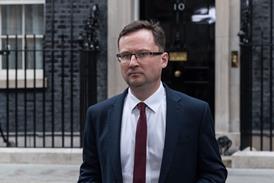






















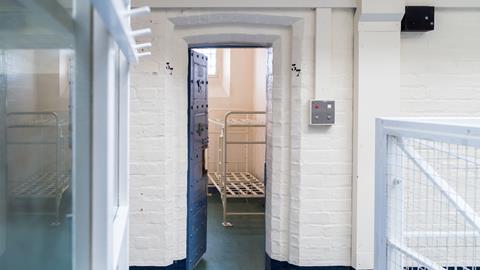
Justice secretary Alex Norris has pledged to end the ‘longstanding injustice’ of indefinite prison sentences once and for all and will consult former Labour home secretary David Blunkett - who described the introduction of IPP sentences as the ‘biggest regret’ of his time in government.
IPP sentences, introduced in 2005, were designed to prevent offenders considered dangerous from being released even though the offence did not merit a life sentence. The sentences were criticised for catching less serious offenders and abolished for offenders convicted after 3 December 2012.
Norris told MPs yesterday that more than 2,000 people remain held under IPP sentences. ‘They were rightly abolished a decade ago, but offenders are still locked up for far longer than envisaged, often for crimes that, if committed today, would see them spend much less time in jail. Of those who have never been released, 99% are beyond the tariff imposed by the court, and 80% have served 10 years or more beyond it. Tragically, with no end of their sentence in sight, some IPP prisoners have taken their own lives,' he said.
Read more
Legislation will be brought forward to end the sentence by the end of this parliament. Norris said: ‘These are complex cases, and some of these offenders have committed serious crimes. Public safety will always be my top priority, but we must balance that with fairness on sentences.'
Norris will work with former Conservative lord chancellor Robert Buckland as well as Blunkett. He described the pair as ‘committed advocates of IPP reform’.
Blunkett told the Guardian in 2024 that ‘what has happened with this sentence is the biggest regret I have in terms of the outcome of all the many things that I was involved in in the eight years I was in government’.
Shirley Debono, founder of IPP Committee in Action, a group of people with family members serving IPP sentences, welcomed the news but said: 'A lot of these IPP prisoners have mental health problems, all caused by serving an indefinite sentence. If this drags out for months and months, then prisoners are going to start disbelieving the government and think it is a lie. They have been let down so many times over the years. It will all come back to them. That is why we need a timescale.'
This article is now closed for comment.





4 Readers' comments