






















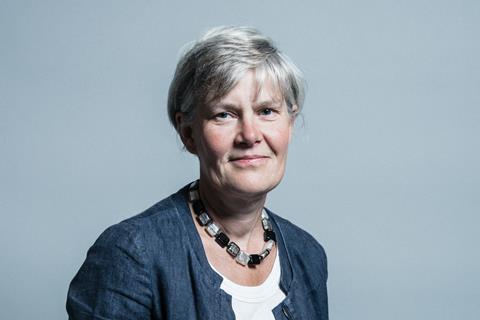
A senior Labour figure has urged judges to be more active in their management of cases to help reduce the backlog in courts. Kate Green, the deputy mayor of Greater Manchester, said better ‘judicial grip’ is needed to stop cases from dragging out over several years.
Green told a Labour party conference fringe event on justice for survivors of violence against women and girls that trials are being listed for as far away as 2029 – partly due to inefficiency in the court process at an early stage. She said judges should ‘make much more pro-active use of the pre-trial hearings which too often are a formality, a tick-box exercise and often over in minutes’.
Green illustrated this point by saying it sometimes takes longer to bring defendants up from the cells than the hearing itself lasts. She called for judges to ask more questions about disclosure, exchange of witness statements and other procedural matters.
‘That hearing should be used to drive forward progress on the case,’ she added. ‘[The judge should say] ‘I expect this case to proceed on that date and if it doesn’t then you [the lawyers] will need to explain why.’
Read more
Green, a former shadow education secretary who now has responsibility for safer and stronger communities, said she and her team had visited Liverpool Crown Court to learn more about how to improve efficiency. At Liverpool, the average wait from charge to trial in is 206 days - compared with an average of 321 in England and Wales.
Green proposed that the government should increase the financial benefits for lawyers who facilitate more rapid justice, adding: ‘The financial incentives built onto the rather inadequate payments for defence work are not helping.’
A key talking point at this week’s Labour conference is whether the party will continue with its plans for jury reform. Justice secretary Alex Norris was due to address delegates on Monday afternoon and could address the speculation, especially as prime minister Andy Burnham hinted in July that the government may look again at the proposals.
Norris’ predecessor David Lammy announced last December that defendants who were likely to receive a sentence of three years or less would no longer get a jury trial.
The reforms were promoted as being designed to ensure victims get swifter justice as the most serious cases are given priority. But speaking at the fringe event, Estelle du Boulay, director of the charity Rights of Women, said curbing jury trials was not going to make a positive difference. ‘[Jury trial reform] has been a complete diversion to the issues we need to tackle,’ she said. ‘There has been no consultation with us and it caught us out. There is no evidential link. The plans and proposals to cut jury trials risks undermining a vital safeguard that benefits victims and defendants.’








1 Reader's comment