


















‘Be it through awful orthodoxies or legality illusions, a lawyer’s naturally uncomfortable relationship with truth and justice can become improper or even criminal.’
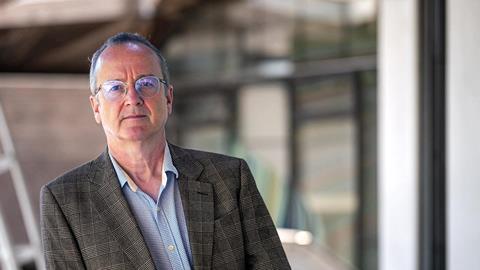
So declares Professor Richard Moorhead OBE, the legal ethics expert, in his newly published and free-to-read book examining the role of lawyers in the Post Office Horizon scandal.
Frail Professionalism? Lawyers Ethics after the Post Office and Other Cases is based on the Hamlyn Lectures delivered by Moorhead in 2024.
He told the Gazette: ‘The book sets out a short(ish) history of how lawyers appear to have contributed to the Post Office Scandal (and a good many other examples) before looking more broadly at ethics challenges facing lawyers, the philosophical, psychological and systemic drivers of such difficulties, and begins a debate about what needs to be done to effect real change (by lawyers, by their firms and regulators, by the courts, and in corporate governance terms). There will be more to come as the Post Office Project comes to completion, and the Inquiry reports.’
Sir Wyn Williams’ statutory Post Office Inquiry is expected to publish the substantive section of its final report, which will look at lawyers’ conduct across the Horizon scandal, later this year.
‘As well as developing the lectures as chapters, in essence the last three chapters of the book, I wrote an extended account of the lawyer bits of the Post Office Scandal itself,’ adds Moorhead on his substack page. ‘I have tried to make the book accessible to anyone interested in the scandal, all practising lawyers, and academics and policy makers interested in trying to improve the way lawyers think and behave.’
The author, who is professor of law and professional ethics at the University of Exeter, does not pull his punches. ‘Rather than concentrating on a few bad apples, [the book] shows how deep-seated traditions, psychological frailties, the complacency and aggression of well-paid lawyers, and the pragmatism, cynicism, and hubris of organisations combines to pollute decision-making and weaken the rule of law,’ he argues.
The book is free to read courtesy of the Economic and Social Research Council, which funds the Post Office Project.
This article is now closed for comment.






2 Readers' comments