












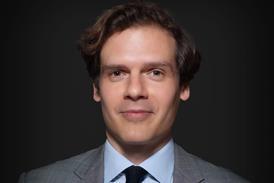

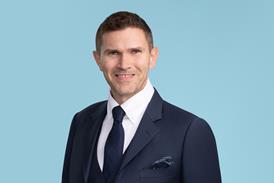





Two barristers and a surgeon have joined forces to create a chambers-style model for assigning medical experts.
The trio said Pathway Expert Chambers moves away from the agency model and seeks to reverse the increasing shortage of experts for serious medical injury cases.
Deka Chambers colleagues Stuart McKechnie KC and Jeremy Ford and orthopaedic surgeon Andrew Unwin said the venture has the potential to change the landscape of expert witness instruction and bring through a new pipeline of experts.
Pathway, which was launched earlier this year at London's Emirates Stadium, aims to build a community of independent medico-legal experts organised into specialisms. They will be led by a group of selected mentors who will provide training and guidance for clinicians coming into expert work for the first time.
As with a barristers chambers, membership is by invitation only and judged on professional suitability. Every member practises independently and is entirely responsible for their own opinion, but within the chambers model the idea is they have a support framework to ensure the quality of their expert work and discuss generic issues with colleagues.
Read more
McKechnie said: ‘The model ensures that expert evidence is timely, complete, fully reasoned, carefully expressed, and capable of withstanding scrutiny. Like most of our mentors, Pathway intends to be instructed by both claimant and defendant lawyers, maintaining an unbiased reputation across industry.’
The founders started the business to address the shortage of expert witnesses in catastrophic personal injury and clinical negligence cases, and the resulting issue that people without the required expertise move in to fill the gaps.
‘There are too few reliable experts within these fields, creating too much pressure and causing waiting lists that typically balloon to 12 to 18 months and sometimes longer,’ added McKechnie. ‘This results in severe delays to the litigation process and increased costs for both claimants and defendants alike.
‘The moment an expert speaks beyond their genuine expertise, credibility is lost and difficult to regain.
‘A number of recent judgments have highlighted this as an issue and it is usually caused by the lack of experts in each field (and/or arrogance), which is a significant problem. Mentorship and training are the answer, along with experts that have the support of their peers within the collegiate structure.’
This article is now closed for comment.




2 Readers' comments