






















‘Cowardly killers’ who refuse to attend their sentencing hearing could lose prison privileges or be confined to their cells, the Ministry of Justice announced today.
Offenders who refused to attend sentencing can already face a fine or up to two years’ additional imprisonment. However, the Ministry of Justice acknowledged that this would do little to deter murderers facing decades behind bars.
Under new rules that will come into force next year, offenders could lose their prison privileges for 84 days, be confined to their cells for up to three weeks, lose social visits for nearly a month or have social visits temporarily restricted to once every four weeks. For offenders aged 18 to 20, judges will be able to remove privileges for up to 21 days or confine them to their cells for up to 10 days. The tougher sanctions can also be handed down to offenders who disrupt hearings and are taken away.
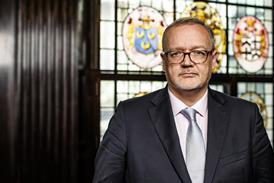
Prisons minister Catherine McKinnell MP said: ‘Criminals should not be able to pick and choose when they face justice. Refusing to turn up to sentencing is an insult to victims and their families, and offenders must face the consequences.’
Welcoming the news, victims’ commissioner Claire Waxman said today’s announcement 'reflects the tireless efforts of victims’ families who refused to accept that offenders could simply opt out of facing justice'.
Waxman added: ‘Having worked with the families of Sabina Nessa, Zara Aleena and Jan Mustafa, I know how offenders’ refusal to attend sentencing hearings compounds trauma and robs families of one of the very few moments of accountability in the justice process. Their determined campaigning, alongside that of Olivia Pratt-Korbel’s family, helped ensure that this harm could no longer be ignored.
‘It is now essential that these powers are used consistently by courts and prisons, so families receive the justice and accountability they deserve.’
Prison Reform Trust chief executive Pia Sinha said the charity understood why victims' families would want those convicted to attend the sentencing hearing. However, Sinha added: 'Ministers should explain what evidence there is that restricting visits or imposing cellular confinement will increase attendance at sentencing hearings, how these measures will be applied in cases involving mental ill-health or other vulnerabilities, and how their effectiveness will be evaluated.
'These measures will inevitably affect not only prisoners but also family members, including children, who rely on prison visits to maintain contact, and who have committed no offence themselves.'





No comments yet