























The Solicitors Regulation Authority has received dozens of complaints over the potential misuse of AI, as the profession continues to grapple with how to embrace the technology safely.
A total of 42 reports of AI-related wrongdoing were received between July 2025 and July 2026, the SRA said, with a number of investigations ongoing. Issues under investigation include inaccurate legal citations, supervision and confidentiality.
The Gazette has reported several times in the past year on firms or individual lawyers being referred to the SRA after presenting false cases or arguments to the court based on AI research and reliance.
The regulator is now concerned enough about the safe and responsible use of AI to have published a warning notice and guidance intended to remind solicitors of their professional obligations. The idea is not to hinder or restrict the use of AI, but to highlight the importance of ensuring appropriate human oversight and governance arrangements.
The SRA says its key concerns are around AI-generated inaccuracies, or ‘hallucinations’ in legal research, advice, analysis and submissions to the court.
It is also seeing instances of confidential client information being entered into public AI tools such as ChatGPT that lack appropriate safeguards, risking potential breaches of confidentiality and wider data protection requirements.
Read more
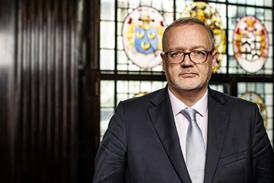
SRA executive director of strategy and policy Aileen Armstrong said: ‘AI is already benefiting consumers and legal professionals, and we are increasingly seeing firms use it in innovative ways to improve services and efficiency. However, the use of AI does not change the professional standards expected of solicitors and law firms.
‘Firms and solicitors must have appropriate oversight and controls in place to make sure consumers are receiving high-quality legal services and that our standards are met. Individuals remain responsible for the work they produce and the advice they provide, regardless of whether AI is used, or not.’
The SRA guidance on AI hallucinations being presented to court stresses the responsibility not just of solicitors to ensure this is not happening but also their supervisors. It states that those who supervise junior or non-authorised colleagues may be found to have breached regulatory requirements and professional duties if false citations are put before the court without adequate review and/or supervision.
On sharing case details with the likes of ChatGPT, the SRA says this will likely breach client confidentiality and as a result, legal professional privilege may be permanently waived and unable to be recovered.
Even where firms have developed or are exploring the use of in-house AI systems, there remains the risk of confidentiality breaches.
The guidance adds: ‘Firms and solicitors should satisfy themselves that client data remains within a secure environment, is not accessed by unauthorised third parties, is not used to train AI models except where explicitly authorised and appropriate to do so, and is not retained longer than necessary.’
The Law Society welcomed the guidance and recognised that AI should be used to support and enhance legal practice, not to replace the essential role of solicitors in providing trusted advice to clients.
Vice president Brett Dixon added: ‘As a regulated profession, solicitors have the responsibility to act in the best interests of their client, which includes using AI and other technologies responsibly. The warning notice is a reminder of how this should be applied in practice.
‘Technological innovation in legal processes and service delivery is advancing at speed. As the use of AI evolves rapidly, the SRA will need to continue providing the profession with swift and clear guidance so solicitors can use AI with confidence in line with their duties.’




11 Readers' comments