



















Founder and managing partner, London
I moved to London as a US-licensed immigration attorney with five years of experience when there were only 25 other US immigration lawyers in London. When my initial job didn’t seem to be a good fit, I started my own law practice with another immigration lawyer and we were law partners.
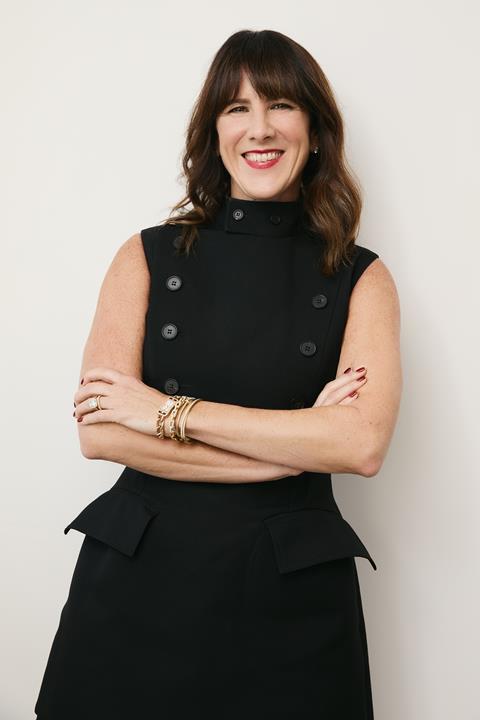
We operated for 10 years as a successful partnership before he ‘Brexited’, at which point I started Brill Immigration in 2022. What began as a one-woman practice soon grew. I’m now proud to lead a diverse team of six women representing five nationalities who share my belief that empathy, humour and cultural understanding matter as much as legal expertise.
I feel incredibly lucky to have crafted the ideal US immigration law practice for me. Ever since I was an undergraduate at the University of Arizona, I said I wanted to represent ‘boy bands’. I wasn’t entirely sure what that meant and even dabbled in entertainment law as part of my law school work experience. I was passionate about doing something ‘international’, however, and immigration law was the perfect field to meet clients with incredibly diverse backgrounds who all had a story to tell.
Now, in London, my clients are a mix of creatives and entertainers, and the brightest minds in tech and business. I still have the occasional ‘boy band’ (although normally in the form of a ‘girl group’ instead), but we only work with our clients on their US immigration needs – not their entire careers. We ensure that our clients have the ability to travel to the US (often with very tight deadlines) and work legally to pursue their American dream.
'Many of our immigration laws were written in the 1970s, so clients think I’m joking when I explain we need photos of their US office space with a sign listing the business name'
When people come to us, there is a misconception that the length of stay in the US is more important than the activities. For example, we may have a client who is only going to be filming in the US for one day or performing in one show. The nature of the activity is the critical element for US immigration, so even if the stay is only one day, a work-authorised visa is required to perform.
Many of our immigration laws were written in the 1970s, so clients think I’m joking when I explain we need photos of their US office space with a sign listing the business name. Most of our petitions that we file for visas are more than 200 pages long. This sounds excessive, but when we provide a copy of the final submission to a client, they understand how much work has gone into the request.
I started my legal career in Boston. I wasn’t 100% sure that immigration was my passion, but I volunteered for a charity to learn the basic principles before I was offered my first job in business immigration. Boston has a very international population, with students and residents from all over the world. When I found myself at parties discussing visa categories with foreign nationals, I realised that I was hooked.
Creativity and innovation are everywhere in London, and this translates into the types of client who ‘walk through the door’. Our offices are in Fitzrovia, so we are surrounded by the top production companies, art galleries and tech startups. It provides us with the most exciting client base. It’s also a great benefit to be in London for our access to the US Embassy and Heathrow Airport. The embassy courier is just down the road, so it can be very helpful in time-sensitive visa issuance scenarios. We have greeted our clients at the airport with their passports and visa stamps more than once.
What can be challenging about working in London is that you often meet the culture of ‘no’. In the US, you can drive your FedEx filings to the airport at 9pm. In London, the last collection is at 3pm with no ifs, ands or buts about it. It also took a lot of effort to get a corporate bank account despite having run a business here for 10 years and being a dual national British citizen. There are also logistical challenges, such as paying US dollar filing fees, filing cases internationally and depositing US cheques into British bank accounts. With that said, over the course of my 15 years in London, I now see these as opportunities to solve problems. I’ve honed my expertise at reaching a solution where one may not appear to exist.









No comments yet