

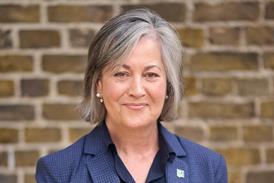















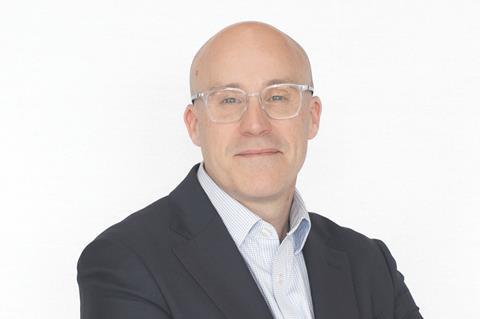
President of the APIL and a partner in the medical negligence team at Fieldfisher, London
It will be such a privilege to continue playing a part in leading the PI sector as the new president of APIL. The organisation makes such a difference to the lives of victims of negligence. I will champion the work of PI lawyers and urge policymakers to look at reform from the position of injured people. For too many years, compensation has been eroded and the avenues of redress undermined.
I have more than 20 years’ experience as a clinical negligence lawyer. The cost of claims to the NHS is never far from the spotlight and the threat of reform remains. But the clamour to reduce claimants’ damages and to cut legal costs is the wrong target. As the Public Accounts Committee highlighted last year, the focus must be on preventing harm in the first place.
I work with clients who have suffered catastrophic injuries or who have lost loved ones – for example, due to negligent maternity care. I have seen the same issues for decades. The problems are extensive and deep-rooted. Despite years of reports and recommendations, there seems to be no real overarching strategy. Strong leadership is crucial. A way must be found to share and implement best practice, so avoidable harm is not repeated.
APIL’s recent legal interventions – such as in Mazur – are examples of what can be achieved when lawyers work together. Through APIL’s Corporate Supporter Scheme, we can only make the sector stronger by working as strategic partners with law firms. Income from the scheme funds essential research for our lobbying work, as well as legal interventions and the flagship Rebuilding Shattered Lives campaign. This is already making a difference in building positive public attitudes towards PI.
'One of the most depressing aspects has been the downward pressure on costs, which often seems to ignore the complexity of cases and the importance of them to the individual claimants'
A personal highlight was when APIL was invited to give oral evidence to the Health and Social Care Select Committee’s inquiry into NHS litigation. It followed a dialogue I had with the committee’s chair after he participated in a successful mediation for one of my client families. APIL was the only solicitors’ group chosen to give oral evidence. My client also gave evidence about the important work lawyers do in exposing negligence and in driving standards in patient safety. Without that opportunity, I fear that the arguments set out by those proposing radical and damaging reform would have gone unopposed.
My dad was an orthopaedic surgeon and did a lot of expert witness work. He would tell me about some of his cases – and I think it sowed the seed. I spent 12 months of my training working in clinical negligence and serious injury. I was incredibly lucky to work under the brilliant Sara Burns at Irwin Mitchell, who taught me so much.
In some ways, the landscape has changed hugely in my time in practice. One of the most depressing aspects has been the downward pressure on costs, which often seems to ignore the complexity of cases and the importance of them to the individual claimants.
But some things have not changed – for example, issues in maternity care cases. Progress remains dreadfully slow. There are challenges on the NHS frontline, difficulties around staffing, culture and leadership. The NHS is huge and fragmented. If care is improved by an initiative in one trust, it is not a given that those lessons of best practice are learned elsewhere.
It is inevitable that you become emotionally invested in cases. This is not a weakness – it is a strength to have that level of emotional intelligence and compassion for families. There will be times when you are upset or shocked. But it is also about understanding that your role is not just fighting fearlessly for your client. It is also sometimes about breaking bad news and giving the advice that they need with sensitivity and understanding.
I am involved with Baby Lifeline. It was set up by the indomitable Judy Ledger and is an incredible charity dedicated to improving patient safety and supporting mums and their babies. I first volunteered as a trainee solicitor, helping to sort delegate packs for conferences and doing IT work. I kept in touch with Judy and eventually I joined the board of trustees.








No comments yet