

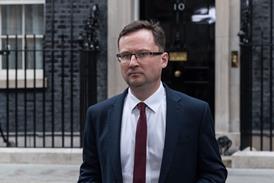





















Home secretary Shabana Mahmood has put herself on a collision course with the Bar Council over plans to have non-judges hear asylum appeals – telling MPs that ‘complex and weighty’ decisions are taken every day by non-judges such as magistrates, parole board members and planning inspectors.
Mahmood has been busy defending her Immigration and Asylum Bill, telling the Lords justice and home affairs committee last week that she rejected the accusation that she was prioritising speed over justice.
MPs debated the bill for the first time in the Commons yesterday, where Labour’s Kim Johnson pointed out that several civil rights organisations oppose changes to the appeals process and the Bar Council said immigration appeals must be decided by legally qualified people.
‘Will the minister listen to those criticisms, and the strength of feeling in this House, and remove these proposals so that we can ensure high-quality and legally sound dispute resolution for asylum appeals?’ Johnson asked.

Mahmood replied that she disagreed with the Bar Council and other groups. She said the first-tier tribunal did not have the capacity to meet the scale of demand or have the flexibility to respond to a sudden surge in cases.
‘To those who say that such decisions can be taken only by a judge, I need point only to the complex and weighty decisions taken each and every day by those without law degrees, such as magistrates, parole board members, ombudsmen, planning inspectors and many others. A person does not have to be a judge to have good judgment,’ she added.
Labour’s Tony Vaughan pointed out that nearly half of initial Home Office asylum decisions are overturned on appeal. Mahmood replied that 50% of a 150,000 backlog was still 75,000 cases.
On concerns about the qualifications of the new adjudicators who will determine appeals, Mahmood said they would be 'paid professionals trained to make robust, defensible decisions'.
She added: ‘Where specific legal expertise is required, we will have on hand a smaller cohort of legally trained adjudicators, who must have been a barrister or solicitor or have similar legal experience. Decisions taken in the new authority will be appealable to the upper tribunal, which will continue to sit before a judge,’ she added.
This article is now closed for comment.





4 Readers' comments