


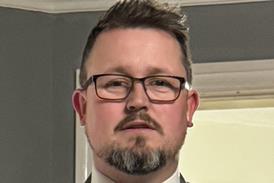

















A non-practising solicitor who pocketed more than £4,500 to work on a criminal case has been struck off the roll.
Gavin Clarke, who was admitted in August 2003, acted for six months in 2022 without authorisation as he did not hold a practising certificate.
Having not engaged with disciplinary proceedings brought by the Solicitors Regulation Authority, he unexpectedly turned up at his tribunal hearing last month and explained how he had been experiencing significant personal and professional difficulties at the time. He was struggling with the demands of his workload which became exacerbated by the lockdown in 2020, and these issues contributed to impaired judgement and decision-making.
The Solicitors Disciplinary Tribunal ruled there were no exceptional circumstances and that his misconduct amounted to a sustained course of dishonest behaviour.
The ruling added: ‘He misrepresented his professional status, received money for work he was not entitled to carry out, and then failed to return those funds despite repeated promises to do so.’
Read more
Clarke had practised as a solicitor for 19 years, mostly doing criminal legal aid work and dealing with serious and complex matters. He had held a practising certificate for 2020/21 but it was revoked after he failed to renew it despite receiving several reminders.
In February 2022 Clarke had been contacted by an individual, referred to as Person A, about helping her partner with an appeal against a criminal conviction. Clarke told her he was a solicitor and had a group of barristers who could assist. He later gave details of one barrister for whom no records existed.
Clarke received a series of payments into his personal bank account and later told Person A he had prepared and submitted an application for leave to appeal. An accompanying photo of the partially completed form bore the name of a fabricated firm called GC Legal. When Person A contacted the Court of Appeal, she was told that no application had been received in her partner’s case. Despite a number of texts from Clarke assuring Person A he would return the money and hand deliver the case file, he failed to do so.
Clarke explained to the tribunal that he had been homeless for a period and experienced serious health difficulties, but since early 2024 he had undertaken structured rehabilitation. He currently volunteers with various charities but wishes to make arrangements to repay the money.
The tribunal accepted his explanations and demonstration of genuine insight and remorse but said these did not negate the serious and sustained nature of the dishonesty. He was struck off with no order made for costs.