





















The process for legal executives securing practising rights post-Mazur has been relaxed slightly, as regulators respond to delay claims. CILEx Regulation will make a number of time-limited amendments to the application process to reduce the backlog of people waiting to be accredited.
Legal executives presenting a portfolio of work to be accredited can now show experience gained in the past five years, rather than two. Work-based learning assessments and relevant professional accreditations obtained in the 10 years preceding an application can be used to support an application, and where relevant, third party accreditation schemes can also be re-used in a portfolio application.
The amendments will apply to all applications made up to 30 June.
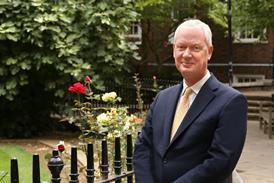
David Thomas, a core member of the CILEx Support Group, welcomed the changes. 'This reflects feedback the CILEX Support Group presented to CILEX Regulation from chartered legal executives affected by the Mazur judgment.'

Many legal executives have been in limbo in the past six months as they wait for their applications to be processed, with some saying the process is taking more than four months. Practising rights needed to be sought after Mr Justice Sheldon ruled in Mazur that only authorised people could conduct litigation, even under supervision.
Meanwhile, the Association of Personal Injury Lawyers has been added to the list of parties intervening in the eagerly-anticipated Mazur challenge in the Court of Appeal. The organisation will join CILEX – which brought the appeal – and the Law Society in making representations when the hearing starts on 24 February.
An APIL spokesperson said: ‘The decision has had far reaching implications for our legal executive members and the sector as a whole.’
The Legal Services Board, the oversight regulator, this week said that guidance and advice from regulators and representative bodies was ‘not always articulated with sufficient precision’ before the ruling. This was after both CILEX and the Solicitors Regulation Authority appeared to suggest at one stage that unauthorised staff could conduct litigation.
The LSB’s interim report added that professional bodies could have taken a ‘more consistent’ approach. A full report will follow the Court of Appeal’s decision.
This article is now closed for comment.









11 Readers' comments