

















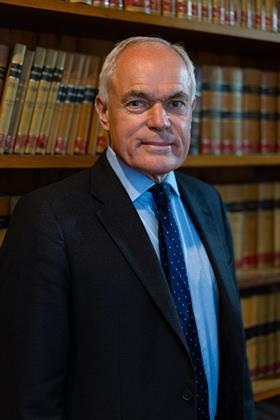
The Courts and Tribunals Judiciary is proposing reducing the size of tribunal panels in a bid to 'modernise' and potentially speed up proceedings as the caseload soars. Lord Justice Dingemans, senior president of tribunals, yesterday opened a 10-week consultation to gather views 'from judicial office holders and any interested parties' considering whether tribunal members could be 'deployed more selectively' to improve the 'timelines' and 'effectiveness' of tribunals.
Proposals consider whether some cases heard by panels could instead be heard by a judge alone, and the impact of reducing the size of panels. The availability of expert members can cause delays.
The open caseload for tribunals recorded a 16% year-on-year increase to 887,000 at the end of June 2026.
Tribunal members are not legally qualified, sometimes described as lay or specialist members, who sit alongside a tribunal judge to hear evidence, ask questions, and help decide disputes. Dingemans wants to explore if 'specialist expertise is being deployed in the most effective and proportionate way'.
Dingeman makes it clear there is no intention to remove the role of tribunal members altogether, but the consultation asks whether they should be 'more closely targeted' to 'certain types of case'.
The review examines the use of tribunal members in the Mental Health Tribunal, the Social Security and Child Support Tribunal, the General Regulatory Chamber, the Tax Chamber and the War Pensions and Armed Forces Compensation Chamber; and one jurisdiction in the Upper Tribunal: the Administrative Appeals Chamber.
The proposals ask whether a smaller panel would be sufficient. In the Tax Chamber, the consultation also considers whether appeals should be determined by a judge alone.
Some of the proposals would require a new or amended Practice Direction by the Senior President of Tribunals, following consultation with the lord chancellor. Others may be progressed through existing judicial or chamber arrangements.
Any changes requiring a new practice direction would not be implemented before April 2027.
The consultation sets out that while tribunal members play an important role, working practices, case types and the wider justice system have evolved over time, leading to backlogs and delays.
In 2020 and 2022, the senior president of tribunals consulted on amendments to panel composition arrangements across a range of chambers, drawing on information from the Covid-19 pandemic, when some cases were temporarily heard by judges sitting alone.
Those consulted will be asked about targeted deployment of members, if there are cases where a judge sitting alone would be appropriate, for example where the expertise of members is neccessary, about safeguarding concerns, and for details about the impact on timelines for delivering justice.



No comments yet