






















Law firms have received eagerly-awaited guidance aimed at helping them stay compliant in the light of the Court of Appeal’s ruling in Mazur.
The Solicitors Regulation Authority today released a 24-page guide to the safe supervision of unauthorised staff carrying out litigation.
The Court of Appeal established earlier this year that an unauthorised person such as a legal executive, paralegal or trainee solicitor may lawfully perform any tasks within the scope of the conduct of litigation.
But the caveat to this ruling was that delegation of tasks by an authorised person requires ‘proper direction, management supervision and control’.
The SRA has taken more than two months to respond in detail: its new expanded guidance has been reviewed by representative bodies including the Law Society, other regulators such as CILEX Regulation, government departments and other key partners such as the Legal Aid Agency and the Law Centres Network.

Read more
The SRA addresses how and when tasks are delegated and how a solicitor can demonstrate responsibility via direction, management supervision and control. The regulator has also expanded on sections for those supervising and being supervised.
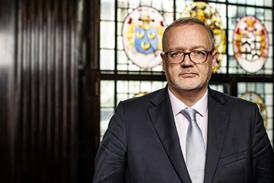
Jonathan Peddie, SRA executive director of investigations, enforcement and litigation, said: ‘We know that recent developments have been concerning for many firms, so we are pleased to be able to release our updated guidance. It was important, given the previous uncertainty, that we took the time to review the position thoroughly and collaboratively with others from across the legal sector.
‘The court has provided clarity and our overall position remains the same – firms should take a risk-based approach tailored to their circumstances. Each firm will be different, but hopefully our case studies will help them as they exercise their professional judgement in practice.’
The guidance stresses from the outset there is no single model of supervision that should be relied upon, and firms should use a risk-based approach when deciding on what is appropriate.
Providers are urged to consider who will supervise work, how many people they will supervise, how much of each person’s work a supervisor will see, how often they will communicate, and whether supervision will take place face-to-face, remotely or through a combination of approaches.
Those conducting supervision should have a ‘clear oversight’ of work being done and be ‘readily available’ to support the unauthorised person.
The guidance states: ‘Supervision needs to be effective. Merely putting supervision arrangements in place is necessary but not sufficient to meet legal services providers’ regulatory obligations. Legal services providers should take proactive steps to make sure that supervision operates effectively, that supervisory arrangements are clear and understood, and that supervisors are accountable for how those arrangements function.’
Supervision can be carried out by those with no line management responsibilities, but solicitors in this position should consider whether they have sufficient expertise and skills to understand the work they are overseeing.
Those being supervised should make sure there is clarity about what tasks have been delegated to them and when their supervisor is available to help. The guidance adds that they should be open about their capacity to do the work and when they need help.
Law Society vice president Brett Dixon welcomed the publication. 'We hope it will provide members with clarity as to how to comply with their professional and legal obligations in most situations.'
This article is now closed for comment.









5 Readers' comments